
Tennessee's Daily Numbers Racket: What the Lottery Doesn't Want You to Calculate
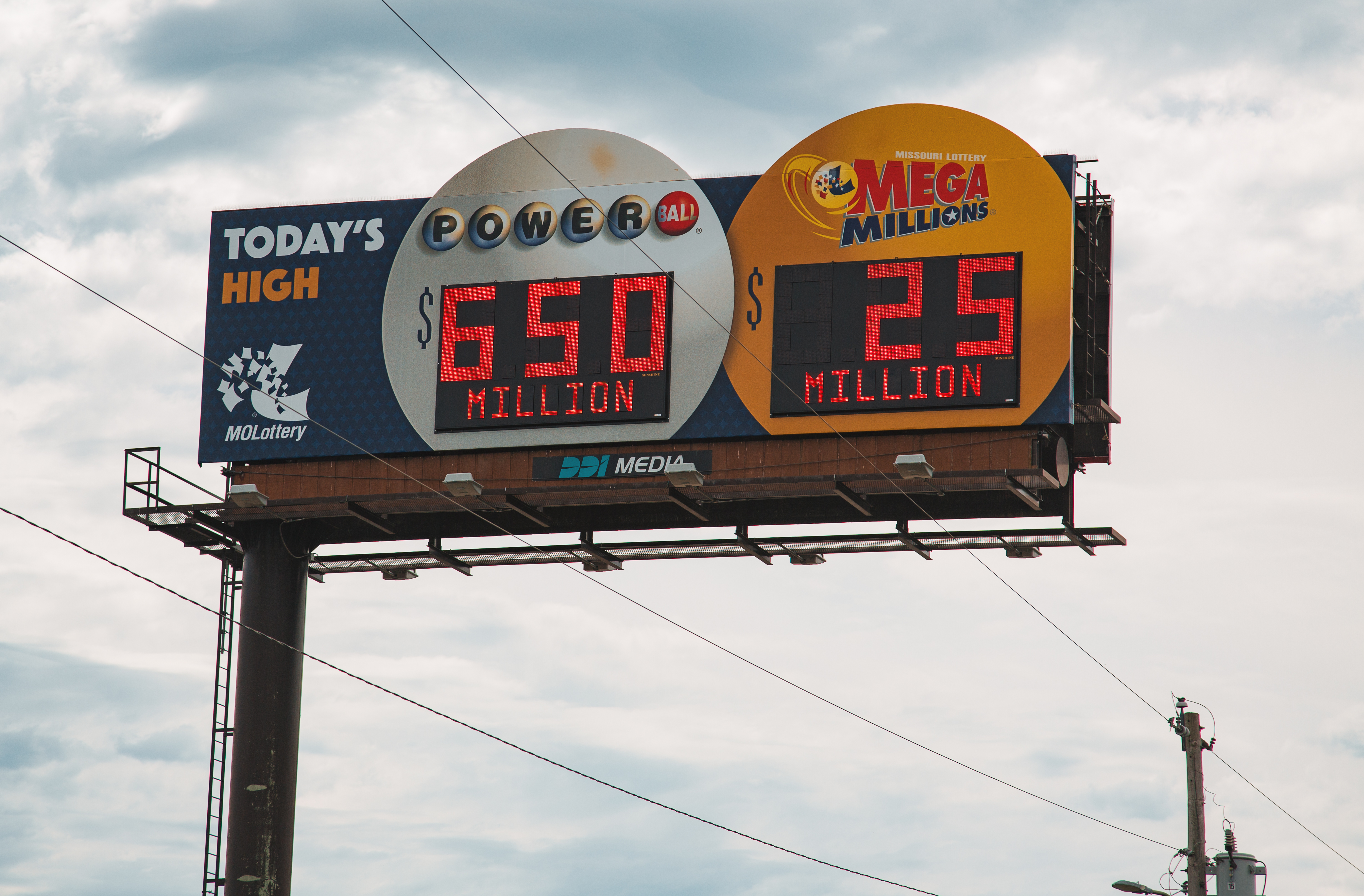
Every morning, midday, and evening, the Tennessee Lottery pulls three digits out of a machine and publishes the results with the breezy confidence of a weather forecast. On May 28, 2026, Cash 3 players chasing the morning draw needed 1-7-0 with a Wild ball of 1. Midday brought 4-4-6, Wild 2. Evening closed out with 0-4-5, Wild 9. Cash 4 ran its own parallel schedule: 1-3-0-7 in the morning, 4-1-7-4 at midday, 8-3-0-0 in the evening. Six draws. Nine opportunities per day to feel like the universe tilted your way.
The numbers themselves are neutral. What is not neutral is the architecture built around them — an architecture designed by the state, marketed by the state, and profitable to the state at a rate that would make any private bookmaker blush. The Tennessee Education Lottery Corporation, a government-chartered entity, is legally required to return a minimum of 35 percent of total revenues to education funding. That sounds generous until you realize it means the house is structured to keep at least 65 cents of every dollar wagered before prizes, retailer commissions, and operating costs are even factored in.
The odds on a straight Cash 3 play — matching all three digits in exact order — are 1 in 1,000. The payout on a $1 straight bet is $500. That's a 50-percent return on a 0.1-percent probability event. In any honest actuarial ledger, that is a negative-expected-value proposition by design. The lottery does not hide this; it simply does not advertise it. The Tennessee Lottery's own player resources page lists prize structures and odds, but the presentation is calibrated toward excitement, not financial literacy.
What the daily numbers cycle does exceptionally well is manufacture frequency. Three draws a day, 365 days a year, means 1,095 Cash 3 draws annually — plus an equal volume of Cash 4 rounds, plus Daily Tennessee Jackpot drawings layered on top. Frequency is the engine of habitual play. Behavioral economics research on variable-ratio reinforcement schedules — the same mechanism that powers slot machines — shows that frequent, unpredictable small rewards are the most powerful conditioning tool known to produce compulsive behavior. The lottery did not invent this; it industrialized it.
The geographic distribution of lottery retail outlets tells a quieter part of the story. Independent analyses of lottery ticket sales data across multiple states consistently show that per-capita lottery spending is highest in lower-income zip codes — not because poor people are less rational, but because the lottery is marketed more aggressively there, retail density is higher there, and the psychological weight of a $500 windfall is proportionally greater when your weekly take-home is $400. Tennessee's lottery retail network follows this national pattern. The state has not published a systematic demographic breakdown of Cash 3 and Cash 4 players, which is itself a data choice worth noting.
The education funding argument is the lottery's most durable political shield. Since its launch in 2004, the Tennessee Education Lottery has transferred billions to the state's HOPE Scholarship program and other education line items. That is real money and real beneficiaries. The counterargument — also real — is that lottery revenues frequently function as a regressive tax that allows legislatures to hold general education appropriations flat while pointing to lottery transfers as evidence of investment. Whether Tennessee's education budget would be higher, lower, or the same without lottery revenue is a question the lottery's promotional materials do not address.
None of this is secret. The Tennessee Education Lottery Corporation is a public entity subject to public records law. Its financial statements, prize payout ratios, and retailer agreements are available. What is missing is not information — it is the habit of reading it. The daily numbers drop, the winning combinations circulate, and the cycle resets before most players have had time to think about anything except whether their ticket matched.
May 28's draws are already history. The numbers that came up — 1-7-0, 4-4-6, 0-4-5 in Cash 3; 1-3-0-7, 4-1-7-4, 8-3-0-0 in Cash 4 — will never repeat in that sequence and on that date again. For the players who matched, a modest payout. For the state, another day of margin. The machine does not care which direction the Wild ball lands.
Who is covering this (18+ outlets)
- YahooNew Mexico Lottery Mega Millions, Pick 3 Day results for May 29, 2026
- Miami Valley TodayLottery - Miami Valley Today
- Palm Beach Daily NewsFlorida Lottery Mega Millions, Jackpot Triple Play results for May 29, 2026
- Columbia Daily TribuneMissouri Lottery Mega Millions, Pick 3 winning numbers for May 29, 2026
- The Norwich BulletinCT Lottery Mega Millions, Lotto winning numbers for May 29, 2026
- Des Moines RegisterIowa Lottery Mega Millions, Pick 3 Midday results for May 29, 2026
- TribuneKansas Lottery Mega Millions, Pick 3 winning numbers for May 29, 2026
- St. Cloud TimesMN Lottery Results: Mega Millions, Pick 3 winning numbers for May 29, 2026
- Augusta ChronicleGeorgia Lottery Cash 3, Cash 4 results for May 28, 2026
- Las Cruces Sun-NewsNew Mexico Lottery Pick 3 Day, Pick 3 Evening results for May 28, 2026
- The Daily RecordOhio Lottery Pick 3 Midday, Pick 3 Evening winning numbers for May 28, 2026
- Daily PressCalifornia Lottery Daily 3 Midday, Daily Derby winning numbers for May 28, 2026
- The Register-GuardOregon Lottery Pick 4 results for May 28
- The TennesseanTN Lottery Cash 3 Morning, Cash 3 Midday winning numbers for May 28, 2026
- The Burlington Free PressVT Lottery Gimme 5, Pick 3 results for May 28, 2026
- The News LeaderVirginia Lottery Pick 3 Night, Pick 3 Day results for May 28, 2026
- Argus LeaderSD Lottery Millionaire for Life winning numbers for May 28, 2026
- Go EriePennsylvania Lottery Pick 2 Day, Pick 2 Evening results for May 28, 2026
See what people are saying about this story on X.