
MLB Blackout Rules Are Why You're Googling How to Watch a 1:35 Game
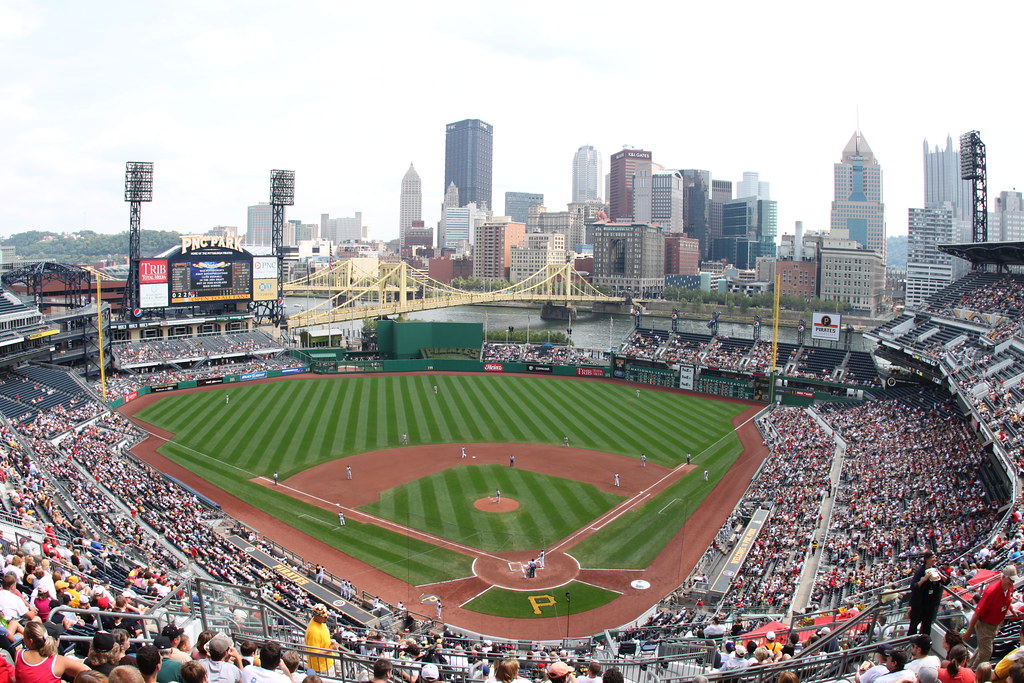
Here is the part nobody in the sports-media complex wants to say plainly: the reason millions of baseball fans have to search the internet on a Sunday afternoon to find out how to watch a game between two teams in their own market is not a technology problem. It is a deliberate architecture of regional exclusivity, league blackout rules, and cascading cable-streaming deals built to monetize confusion. The Twins and Pirates are playing today at PNC Park — first pitch 1:35 p.m. ET — and whether you can see it depends on where you live, what you pay, and how many streaming passwords you currently hold.
The game itself is worth finding. Pittsburgh outfielder Oneil Cruz has gone deep in back-to-back games, and anyone who has watched him hit knows that when he gets hot he does not cool down quietly. Cruz was one of the most physically imposing hitters in the game before a 2023 ankle fracture cost him most of that season. He came back. The power numbers are confirming what scouts said before he ever reached the majors: the bat speed is generational.
On the mound for Pittsburgh, Braxton Ashcraft carries a 4-2 record and a 2.75 ERA into Sunday's start — numbers that, two months into the season, represent genuine performance rather than small-sample noise. Ashcraft is 24, was a second-round pick in 2019, and spent years working through the Pirates' system while the organization rebuilt around him. He is now part of a Pittsburgh rotation that has quietly outpitched expectations all spring.
Minnesota counters with Zebby Matthews, a left-hander sitting at 1-2 with a 2.37 ERA — a figure that is, frankly, better than his win-loss record suggests, which is exactly the kind of thing that win-loss records tend to obscure. The Twins are 27-32, third in the AL Central, and at a point in the season where they need starting pitchers to eat innings and give the offense room to breathe. Matthews has done that.
The Pirates, at 31-28, sit fourth in the NL Central but are above .500 in a division that remains genuinely competitive. In any other era, a team with those numbers and a legitimate pitching prospect headlining a Sunday matinee would have automatic regional television coverage. That is no longer how it works.
To watch today, the practical options are Fubo — which carries the regional sports network broadcast — or whatever cable or satellite package still includes the relevant RSN in your market. Cord-cutters in Twins or Pirates territory who dropped cable in the last three years may find themselves outside the wall. MLB's own streaming product, MLB.TV, blacks out in-market games by design, a policy the league has defended on contractual grounds with regional broadcasters. The result is the absurdity of a fan in Pittsburgh or Minneapolis — the two cities whose teams are literally playing — being the least likely people in the country to be able to stream the game legally.
The blackout system has faced sustained criticism from fans, consumer advocates, and even members of Congress, but it has survived every challenge because the financial architecture supporting it — long-term RSN deals, cable carriage agreements, league revenue-sharing arrangements — gives every stakeholder inside the system an incentive to maintain it. The losers are the fans, who are also the customers, which is a dynamic the league has calculated it can sustain indefinitely.
What actually matters this afternoon is baseball. Cruz at the plate with power in his legs. Ashcraft trying to push his ERA below 2.70. Matthews doing the quiet work of a pitcher who is better than his record. PNC Park on a Sunday in May, which is one of the better settings in American sport regardless of standings. Find the stream however you can — the game is worth the effort.
See what people are saying about this story on X.