
Storm Empties the National Mall Minutes Before Trump's 250th-Birthday Speech
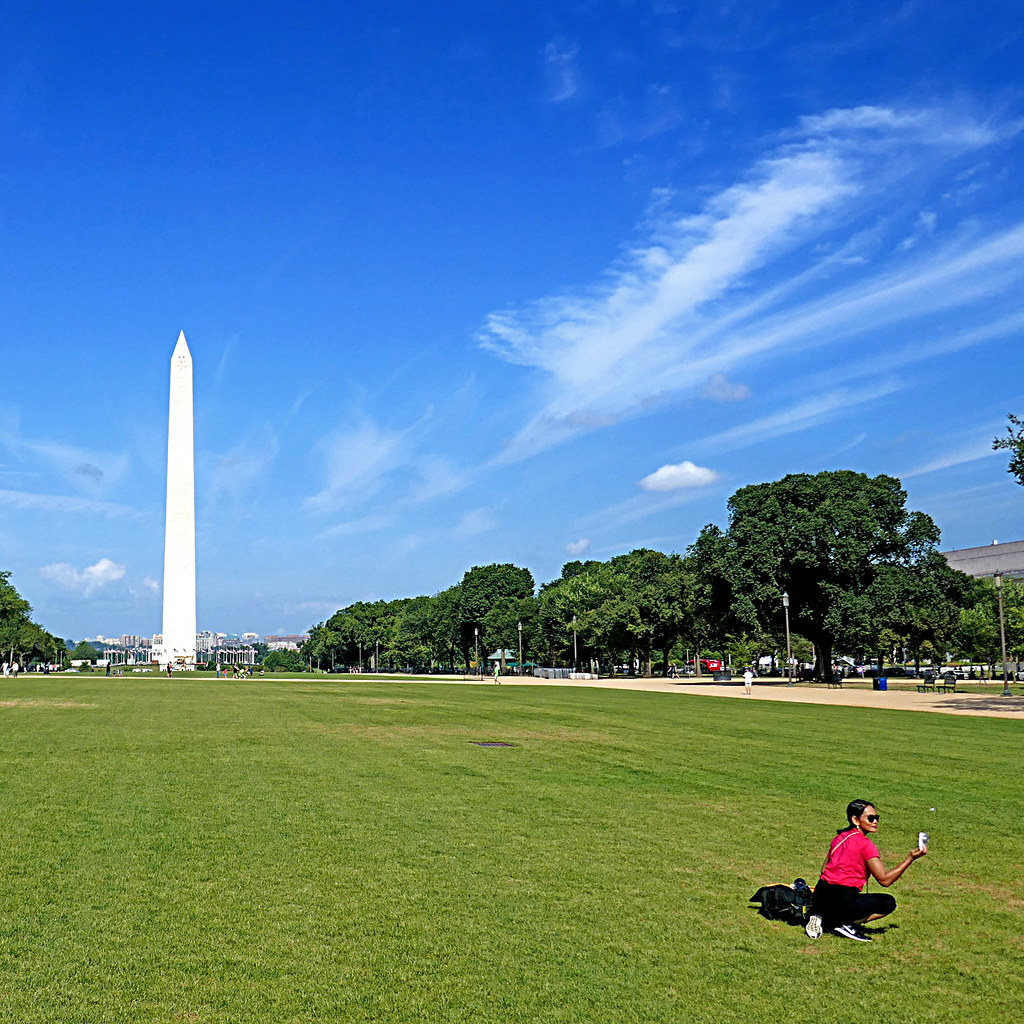
The choreography was supposed to be flawless: a crowd of tens of thousands on the National Mall, a presidential address, and a fireworks cannonade to mark the 250th anniversary of American independence. Nature had other plans. At approximately 7 p.m. Sunday, U.S. Park Police and Secret Service personnel began pushing spectators off the Mall as a fast-moving line of severe thunderstorms approached the capital from the west. The celebration — and the optics the White House had spent months engineering — were abruptly suspended.
What made the evacuation particularly jarring was what preceded it. Attendees had endured security screening checkpoints that stretched waits past an hour, standing in temperatures that topped the mid-90s for much of the afternoon. By the time law enforcement began clearing the grounds, many in the crowd had already been on their feet in direct sun for the better part of three hours. The official instruction was to seek shelter — a directive that landed on a crowd with nowhere obvious to go, in a city where Metro stations and nearby buildings quickly filled.
The National Weather Service had flagged the storm system well before the event began, issuing warnings that included the possibility of damaging winds and lightning across the D.C. metropolitan area. Whether the decision to proceed with the on-Mall program as those warnings were already in effect will face after-action scrutiny is a question federal event planners will not be eager to answer publicly. Large-scale outdoor events on federal grounds operate under detailed safety protocols; the timeline of when evacuation was formally authorized versus when conditions had already become dangerous will matter.
For the White House, the evening was freighted with political symbolism that went well beyond the weather. The "America 250" commemoration was designed as a showcase event — a moment to plant the current administration's flag on the semiquincentennial in the same way previous administrations have claimed July Fourth as a backdrop. President Trump had been scheduled to deliver an address that, by every advance signal, was intended to be a defining set-piece of the summer political calendar. The storm didn't just scatter the crowd; it scattered the narrative.
The Secret Service and Park Police managed the evacuation without any reported major incidents, a fact worth noting given the scale and the compressed timeline. Crowd management on the Mall during large events is a well-rehearsed operation, but the combination of extreme heat earlier in the day, a fatigued and frustrated crowd, and a sudden weather emergency represents exactly the kind of compounding stress scenario that security planners train for but hope never arrives simultaneously.
It is worth being clear about what is confirmed and what remains open. The evacuation happened; the storms were real and documented by federal meteorological agencies; the crowd had been waiting in severe heat. What is not yet established is the precise internal timeline of decision-making — at what point event organizers and federal law enforcement had enough weather data to act, and whether earlier action was feasible. Those details tend to surface slowly, if at all, absent a formal review or congressional inquiry.
The broader context is one the establishment press tends to mention and then move past: large, politically-staged events on federal public land carry an inherent tension between the incumbent administration's messaging needs and the safety obligations of agencies that are legally and institutionally distinct from the White House. Park Police and the National Park Service do not work for the president; they work under the Department of the Interior. When a president wants a crowd and the weather turns, those lines of authority can get blurry fast.
What comes next is likely a compressed rescheduling conversation and a set of careful official statements about how everything went according to protocol. The people who stood in the heat for an hour and then were told to run from lightning may have a different account. In a city built on managed perception, the unmanageable tends to leave the sharpest impression.
See what people are saying about this story on X.