
Paraguay Came to Break France, Not Beat Them — and Almost Got Away With It
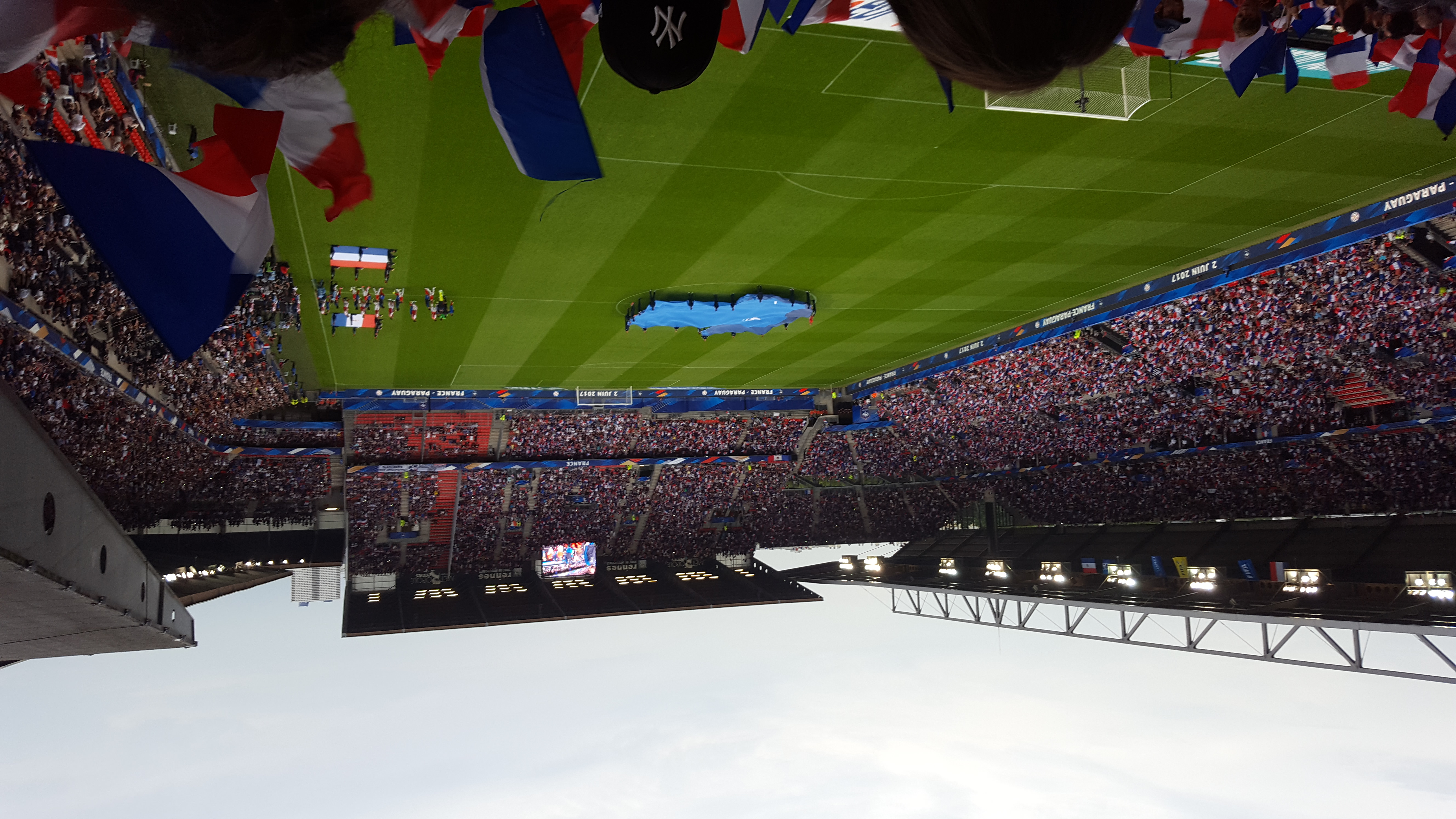
Philadelphia, Saturday night. France, one of the tournament's heavy favorites, needed a second-half penalty from Kylian Mbappe to put away a Paraguay side that had come to Lincoln Financial Field with no intention of playing football in any conventional sense. The final score was 1-0. The final mood was something between relief and revulsion — and not everyone agreed on which side of that line Paraguay deserved to fall.
Paraguay touched the ball fewer times in this match than almost any team in recent World Cup memory. Their pass count was not low by the standards of a defensive side — it was historically, almost provocatively low. This was not a team that misread the moment or ran out of ideas. This was a calculated decision, executed with considerable discipline: deny France space, deny them rhythm, deny them the open game in which their individual quality becomes overwhelming. On a pure tactical level, it worked for 85 minutes.
The problems came with what accompanied the defensive scheme. Off-the-ball contact, theatrical collapses, deliberate time-wasting from the opening whistle, and at least one incident of a strike on a France player away from play drew the kind of attention that shifts a match's moral atmosphere. The referee reached for his cards with regularity. Paraguay's players cycled in and out of the book. None of it slowed them down, because slowing down was never the problem — getting France to slow down was.
Mbappe had said before the match that if things turned physical, France were ready. That readiness was tested almost immediately and tested repeatedly. The France captain was himself the target of special attention throughout the ninety minutes — the sort of close, persistent, frequently illegal marking that only the very best attract, and which carries its own implicit compliment buried inside the cynicism. When the penalty came, he stepped up and converted without ceremony. That composure, in that atmosphere, was the whole story in a single frame.
Didier Deschamps made clear afterward that his team had done what was required. France have been criticized across this tournament for conservatism, for failing to open up and express the attacking depth their squad suggests they possess. Against Paraguay there was no room for expression even if they'd wanted it. What they showed instead was something arguably more important in a knockout tournament: the ability to win ugly, to hold their nerve in a hostile tactical environment, and to find the decisive moment in a match designed specifically to prevent decisive moments from occurring.
The veteran former France striker turned pundit Thierry Henry was less measured. Speaking immediately after the final whistle, he declined to discuss Paraguay's performance at length, saying only that football had won — the implication being that something else had tried to win instead. His frustration was visible and unfiltered. That reaction matters not because a pundit's feelings are news, but because it captures how the football world is processing Paraguay's approach: as something beyond hard-nosed defending, something that sits closer to sabotage than sport.
But this framing deserves scrutiny. Paraguay are not a wealthy federation. They did not arrive in Philadelphia with Mbappe or Antoine Griezmann or a squad valued in the billions. They arrived with a collective, a plan, and the willingness to absorb punishment in order to deliver it. The laws of the game permit every tactic they used up to the point of illegal contact — and the referee penalized the illegal contact when he saw it. The deeper question, which comfortable punditry tends to skip past, is whether the outrage at Paraguay's tactics is really about fairness, or whether it is about aesthetics: about the offense of daring to make France uncomfortable.
France are through to the last sixteen. Paraguay are on their way home. The result is the result, and it was legitimate. What happened in between is a conversation about what football is for — and whether the sport's administrators, who profit handsomely from moments of Mbappe brilliance, have ever seriously grappled with why desperate teams play desperate football against opponents they cannot match in talent or resource. The scoreline said France won. The context suggests Paraguay understood exactly what they were doing, and why.
Who is covering this (18+ outlets)
- The NationIf the match gets dirty, we're ready for it: Mbappe
- The TelegraphFrance see off dirty challenge from Paraguay to march into World Cup last eight
- mid-dayFIFA World Cup 2026: France win in a dirty picture!
- The Shillong TimesMbappe's cool spot kick seals Paraguay's fate
- China DailyMbappe on the spot to force France into quarters
- Gulf Daily News OnlineMbappe delivers: Striker's crucial second-half spot-kick helps
- Free Malaysia TodayFrance show they can ditch flair and win a different way in World Cup quest
- Taipei TimesMbappe leads France onward in Philadelphia
- Yahoo SportsOne Extraordinary Photo: Mbappe's joy and satisfaction after a hard-fought match
- Mail OnlineOne Extraordinary Photo: Mbappe's joy and satisfaction after a...
- ClutchPointsWorld Cup news: Thierry Henry dismisses Paraguay's nonsense after France win
- Haberler.comShameful statistic from Paraguay: The number of passes they made against France was astonishing.
- NDTVVideo | France Vs Paraguay | French Fans Erupt In Wild Celebrations As Les Bleus Reach Quarter-Finals
- Economic TimesFIFA World Cup 2026: Kylian Mbappe of France scores 19th career World Cup goal, 1 behind Golden Boot rival Messi
- NewsweekFormer World Cup winner slams Paraguay over loss to France
- Nigeria SunMbappe-led France overcome Paraguay's
- Blueprint Newspapers LimitedWorld Cup 2026: Deschamps hails France composure in Paraguay clash - Blueprint Newspapers Limited
- RTL TodayFrance show they can ditch flair and win a different way in World Cup quest
See what people are saying about this story on X.