
Spain 1-0 Portugal: Ronaldo's Last World Cup Ends in Silence, Not Glory
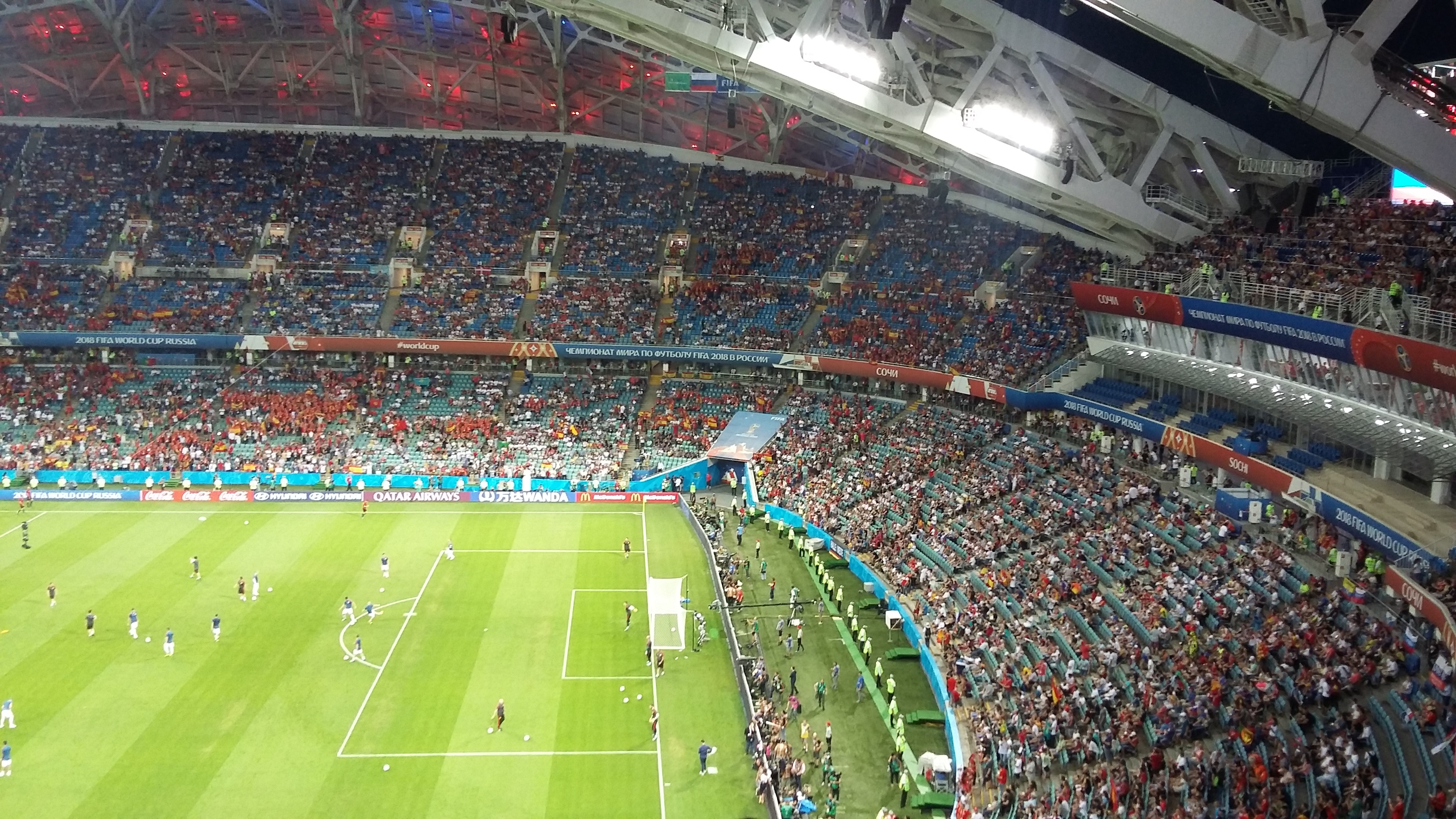
The scoreline — Spain 1, Portugal 0 — tells you almost nothing about the weight of what happened on Monday evening. What it does tell you is this: Europe's reigning champions, built around one of the deepest and most tactically coherent squads in international football, did exactly what deep and tactically coherent squads do to teams organised around a single aging icon. They waited, they pressed, they won.
Cristiano Ronaldo is 41 years old. That sentence alone should have been the story of this tournament, not just its coda. He arrived in the 2026 World Cup as the gravitational centre of a Portuguese setup that, even now, cannot fully escape the orbit he created. Coaches have tried to shift the architecture around him for two full cycles. What Portugal produced instead was a side that defends with discipline, creates in patches, and then looks, instinctively, toward the man in the seven shirt as if the answer must be there somewhere.
It wasn't. Not in the knockout round. Ronaldo's record in World Cup knockout matches has become one of the more uncomfortable statistics in modern football: across multiple tournaments, the goals in the elimination rounds simply never came with the frequency his group-stage numbers occasionally suggested. Spain, for their part, needed no individual miracle. Mikel Merino, who has become one of the most quietly indispensable players in this Spanish generation, was central again — a midfielder who wins ugly moments and rarely makes the highlight reel, which is precisely why Spain keep winning matches.
Lamine Yamal, 18 years old, did not need to be transcendent on the night. He simply needed to be present, unpredictable, and directionally dangerous — and he was all three. There is something almost cruel about the narrative symmetry here: Yamal was born the year Ronaldo played his first major tournament. The world turns.
What nobody in the official post-match coverage has said plainly enough is this: Portugal's football federation has spent the better part of a decade managing the optics of transition while avoiding the substance of it. Every coach inherited the same structural problem — how do you build a functional international system when your most famous asset has, understandably, never accepted a reduced role? The answer, it turns out, is that you don't. You manage. You reach the knockouts regularly enough to keep the pressure off, and you hope the bracket is kind. This time it wasn't.
Ronaldo himself, in remarks following the defeat, said he would not rush any decision about his international future. That is the only honest position available to him. Retiring immediately after an elimination like this would confirm the ending nobody wanted scripted. Returning for a qualification campaign at 42 raises questions that are practical rather than sentimental. What is not in doubt is the factual record: five World Cups, one goal in a knockout match that mattered, zero World Cup final appearances. That is not a diminishment of a staggering career. It is simply what the documents show.
Spain, meanwhile, advance into the quarterfinals carrying the calm authority of a team that believes it will win the tournament. Their squad depth — genuine depth, not optimistic depth — means Luis de la Fuente can rotate without visible quality drop. They have not yet been genuinely tested. That may come. But Portugal, with their best chance to provide the test, could not convert pressure into a goal, and the one moment Spain needed, Spain took.
For the billions who organised their World Cup viewing around Ronaldo's final chapter, the ending feels abrupt. But endings usually do. What this result actually closes is not just a career chapter — it is a question that Portuguese football now must answer in the open, without the distraction of a legend still on the pitch: who, exactly, are they building toward, and what does their game actually look like without a mythology to hide behind? That conversation, long deferred, begins now.
Who is covering this (18+ outlets)
- Legit.ng - Nigeria news.Ballon d'Or sends emotional message to Cristiano Ronaldo after final World Cup outing
- www.theepochtimes.comRonaldo Steps Off World Stage 'Sad' But With 'Clear Conscience'
- myKhel.comRonaldo Will Not Make Rash Decisions Over Portugal Future After World Cup Exit
- 조선일보Ronaldo Mocked as Portugal's Next Coach
- HITCTroy Deeney says Cristiano Ronaldo is 'to blame' for disappointing Portugal World Cup exit
- IndiaTimes'Trying the fake tears a lot': Fans accuse IShowSpeed of acting after Ronaldo's World Cup exit, calling him an attention seeker
- Yen.com.gh - Ghana news.Vybz Kartel under fire for choosing between Messi and Ronaldo after Portugal's exit at the 2026 World Cup
- SquawkaSpain vs Belgium: predictions, best bets, odds and stats
- Yahoo Sports CanadaBefore Cristiano, Portugal had not won anything": Ronaldo reflects but won't rush decision on future after World Cup exit
- thedailyjagran.comGoal Drought In WC Knockout Matches To Trophy-Less Club Years: List Of Cristiano Ronaldo's Unwanted Records
- Bloomberg BusinessRonaldo Exits Last World Cup Match After Spain Beats Portugal 1-0
- Mail OnlineCristiano Ronaldo won´t rush call on Portugal future after his...
- Yahoo SportsClub World Cup: Roberto Martinez undone by his own superstition 🤣
- Manchester Evening NewsRonaldo's shortcomings brutally laid bare by Spanish media after World Cup tears
- IOLCristiano Ronaldo's World Cup Dream Ends in Tears as Portugal Crash Out Against Spain
- Soccer LadumaRonaldo's historic journey comes to an end!
- GB NewsGeorgina Rodriguez sends touching message to Cristiano Ronaldo after emotional World Cup exit
- Asian News from UKSpain Send Ron Home
See what people are saying about this story on X.