
Crown Estate Told MPs Andrew's Sweetheart Lease Was 'Best Value' — NAO Disagreed
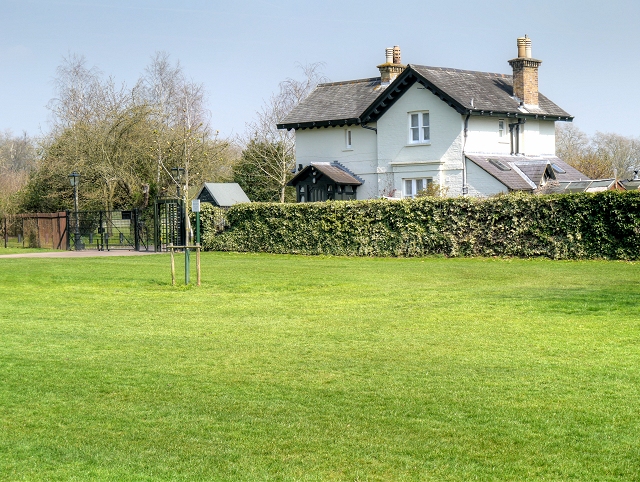
When the Crown Estate's chief executive sat before a Commons select committee on Monday, the brief was damage control. The National Audit Office had already done its work — a formal investigation published last month concluded that Andrew Mountbatten-Windsor held an arrangement at Royal Lodge that included the right to sublet cottage properties on the estate. The Crown Estate's defence: at the time the lease was drawn up, the terms represented "best value for money." That is a phrase with a very specific weight in public-sector accountability, and MPs were right to press on it.
The NAO's findings are worth stating plainly, because the way this story has drifted through the press tends to obscure them. The investigation established that Andrew received what amounted to an undisclosed financial benefit through lease terms that allowed him to generate income from subletting — on land that is, legally speaking, held in trust for the public and managed by a Crown body ultimately accountable to Parliament. The benefit was not declared in any public-facing document at the time it was established.
The Crown Estate is not a private landlord. It is a statutory body. Its income flows to the Treasury — and, since a 2012 arrangement, a growing percentage funds the Sovereign Grant, which pays for official royal functions. When it strikes deals over properties on its estate, those deals are subject to the same standards of public accountability that apply to any government body spending or managing public assets. "Best value" is not a casual defence — it is a legal and regulatory standard, and the NAO exists precisely to audit whether that standard has been met.
What the committee hearing exposed is a gap between the Crown Estate's retrospective justification and the NAO's prospective-facing concern. The watchdog's worry is not simply whether a valuation was signed off correctly in the year it was done — it is whether the arrangement, as structured, served the public interest over its lifespan, and whether appropriate transparency was applied. On the second point especially, the Crown Estate's position remains difficult to sustain. An undisclosed benefit to a member of the royal family is not a technicality.
Andrew's tenure at Royal Lodge has been turbulent in ways that extend beyond lease accounting. Following his effective withdrawal from public royal duties in 2019 — after a televised interview over his relationship with convicted sex offender Jeffrey Epstein that went catastrophically wrong by any measure — the question of what public resources he continues to benefit from has carried unusual political weight. The cottage subletting arrangement sits inside that larger question, whether or not the Crown Estate prefers to treat it as a narrow property matter.
It would be unfair to present the Crown Estate as straightforwardly corrupt or negligent. Large estates with complex, historically layered lease portfolios do generate arrangements that look anachronistic when reviewed decades later under modern transparency standards. The organisation manages a portfolio of roughly £16 billion in assets across the UK, and not every historical lease was drafted with 21st-century accountability norms in mind. The Crown Estate's officials, to their credit, turned up to the committee and answered questions rather than stonewalling.
But that institutional good faith doesn't resolve the core problem: a public body struck a deal with a private individual who happened to be a senior royal, the terms included a financial benefit, and that benefit was not disclosed. The NAO did not go looking for this because it was bored. Scrutiny bodies examine things when referrals arrive, when red flags surface in audits, or when the political environment demands a closer look. All three conditions applied here.
The committee's work is ongoing. What it needs to establish — and what the Crown Estate's "best value" defence conspicuously does not address — is who authorised the subletting clause, what alternatives were considered, and why disclosure was not required at the time. Those are process questions, not conspiracy theories. They are exactly what public accountability bodies exist to ask. Whether Parliament gets straight answers to them will say something about how seriously the Crown Estate takes its obligations to the public it nominally serves.
See what people are saying about this story on X.