
13.5 Million Children Got Zero Vaccines in 2025 — and the System Knows Exactly Why
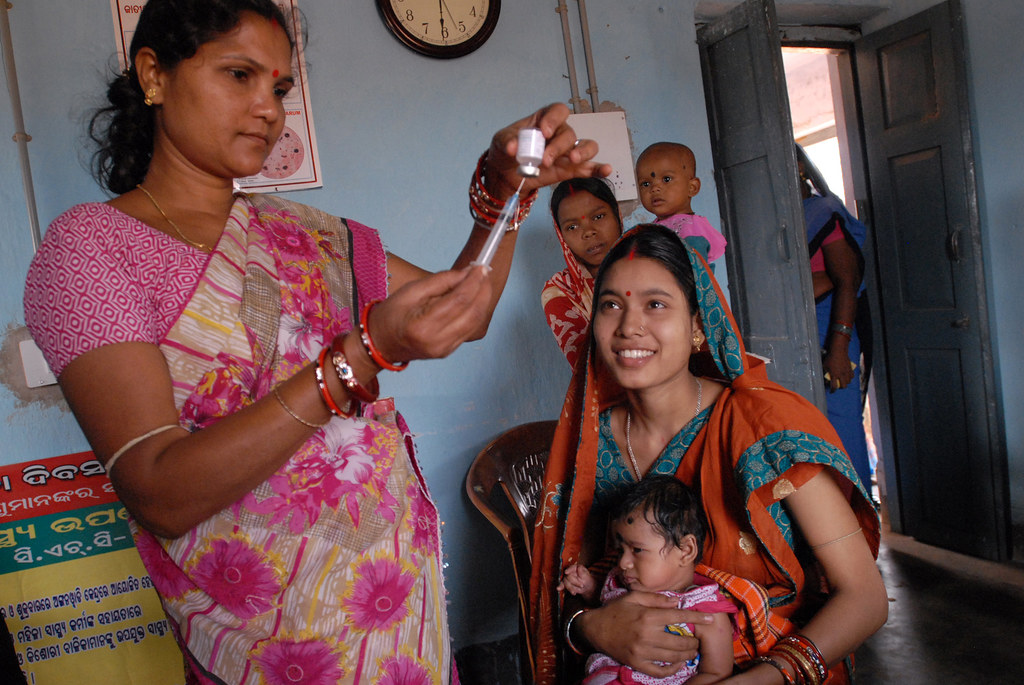
The world's immunization infrastructure has a hole in it large enough to swallow 13.5 million children, and the 2025 WHO-UNICEF Estimates of National Immunization Coverage — the most authoritative annual accounting of global vaccination status — has now made that number official. These are the so-called "zero-dose" children: infants who completed their first year of life without receiving a single vaccine shot. Not one dose of diphtheria protection. Not one tetanus jab. Nothing.
Nigeria leads the catastrophe with 2.2 million zero-dose children, a figure that sits at the intersection of conflict, chronic healthcare underfunding, and a federal health delivery system that has struggled for decades to reach its poorest states. India, despite being the world's largest vaccine producer and having invested heavily in maternal and child health infrastructure, still registered 679,000 zero-dose children — a number the same WUENIC data frames as an improvement over prior years, but which remains a stinging indictment of last-mile delivery gaps in high-density urban slums and remote rural districts.
The headline global number offers cold comfort. Ninety percent of infants — roughly 116 million — received at least one dose of the diphtheria-tetanus-pertussis combination vaccine, and 85 percent, about 110 million children, completed the full DTP series. Those figures sound robust until you consider what they obscure: the 10 percent who didn't get even a first dose, and the additional gap between starting and completing the series. A child who gets one shot and no follow-up has partial, often inadequate protection — and in outbreaks, partial coverage is nearly as dangerous as zero coverage for community transmission dynamics.
The report's authors are careful with their language, but the underlying architecture of the problem is not subtle. Zero-dose children are not randomly distributed. They cluster in fragile states, in conflict zones, in communities where the state has structurally abandoned its obligations — and, increasingly, in pockets of high-income countries where vaccine hesitancy has been allowed to calcify into a de facto policy of non-intervention. The same WUENIC dataset tracks measles vaccination, and the correlation between low DTP coverage and measles outbreak risk is essentially automatic: Bulgaria, for instance, has watched measles tear through communities where immunization rates have quietly eroded over years of political neglect and growing hesitancy.
Kenya presents a different dimension of the same failure. The country has not faced the kind of acute conflict that drives Nigeria's numbers, but health facility stockouts — shelves physically empty of vaccines that were ordered, funded on paper, and never arrived — have left thousands of children exposed. This is a supply-chain and procurement governance failure, not a demand failure. Parents show up. The vaccines aren't there. The system records an unvaccinated child and moves on.
What the WUENIC report does not do, and what global health communications rarely do, is name the funding and political accountability gap plainly. The WHO and UNICEF operate on voluntary contributions from member states that have, in recent years, shown an appetite for pledging and a considerably weaker appetite for delivering. Gavi, the Vaccine Alliance, has plugged critical gaps in low-income country procurement, but Gavi itself is dependent on donor cycles that are subject to domestic political weather in Washington, London, and Brussels. When those cycles tighten — as they demonstrably have in 2024 and 2025 — the buffer disappears and stockouts follow.
The 13.5 million figure also needs to be read against the historical trend. At the nadir of COVID-19 disruption in 2021, zero-dose numbers spiked sharply as health systems redirected every available resource toward pandemic response. The 2025 figure represents a recovery of sorts, but not a full return to pre-pandemic trajectories, and certainly not the accelerated progress the 2030 Sustainable Development Goals require. The system is healing slowly while the political will to heal it faster is, by any honest reading of the budget tables, not there.
The children in this report are not statistics to the people raising them. They are infants in Kano, in Uttar Pradesh, in the outskirts of Nairobi, whose first year of life passed without the protection that costs less than a dollar a dose to deliver. The global immunization architecture was explicitly designed to reach them. The 2025 WUENIC data is, at its core, a receipt for what the system chose not to do.
Primary sources
Who is covering this (18+ outlets)
- MedindiaWHO: 13.5 Million Children Remain Unvaccinated in 2025
- who.intImmunization coverage
- Healthwise13.5m children miss vaccines in 2025 - WHO, UNICEF
- cnbctv18.comIndia makes gains in child immunisation, number of 'zero-dose' children reduces: WHO-UNICEF data - CNBC TV18
- allAfricaAfrica: Global Childhood Immunization Coverage Inches Forward Despite Conflict and Hesitancy - Unicef, Who
- Hindustan Times679,000 'zero-dose' Indian children didn't receive single dose of vaccine in their first year in 2025: WHO report
- NationInside Kenya's growing childhood vaccine shortage
- Jammu Kashmir Latest News | Tourism | Breaking News J&KIndia makes gains in child immunisation, number of zero-dose children reduces: WHO-UNICEF data - Daily Excelsior
- The StarVaccine stockouts leave thousands of Kenyan children exposed- Unicef
- Pacific Islands News AssociationUneven progress, significant gaps: New immunisation estimates must accelerate urgent action in the Western Pacific
- The Express TribuneUN warns of cracks in global immunisation system
- Novinite.comVaccination Gaps Grow in Bulgaria as Hundreds Contract Measles
- Peoples Gazette Nigeria73 million children immunised in lower-income countries despite conflict, hesitancy, says Gavi Vaccine Alliance
- The Whistler NigeriaWHO, UNICEF Alarmed As 13.5 Million Children Miss Lifesaving Vaccines
- Tech TimesMeasles Outbreaks Span 57 Countries as Vaccination Stalls Below Outbreak Threshold
- Stiri pe surseRomania's vaccination coverage below recommended levels in 2025, UNICEF/WHO report shows
- Free Press JournalIndia No Longer Among Top 10 Countries With Most Unvaccinated Children: UN Report
- Channels TelevisionUN Warns Of Cracks In Global Immunisation System
See what people are saying about this story on X.