
John Cusack Ditches Hollywood Gatekeepers for a Nixon-Era Alien Heist
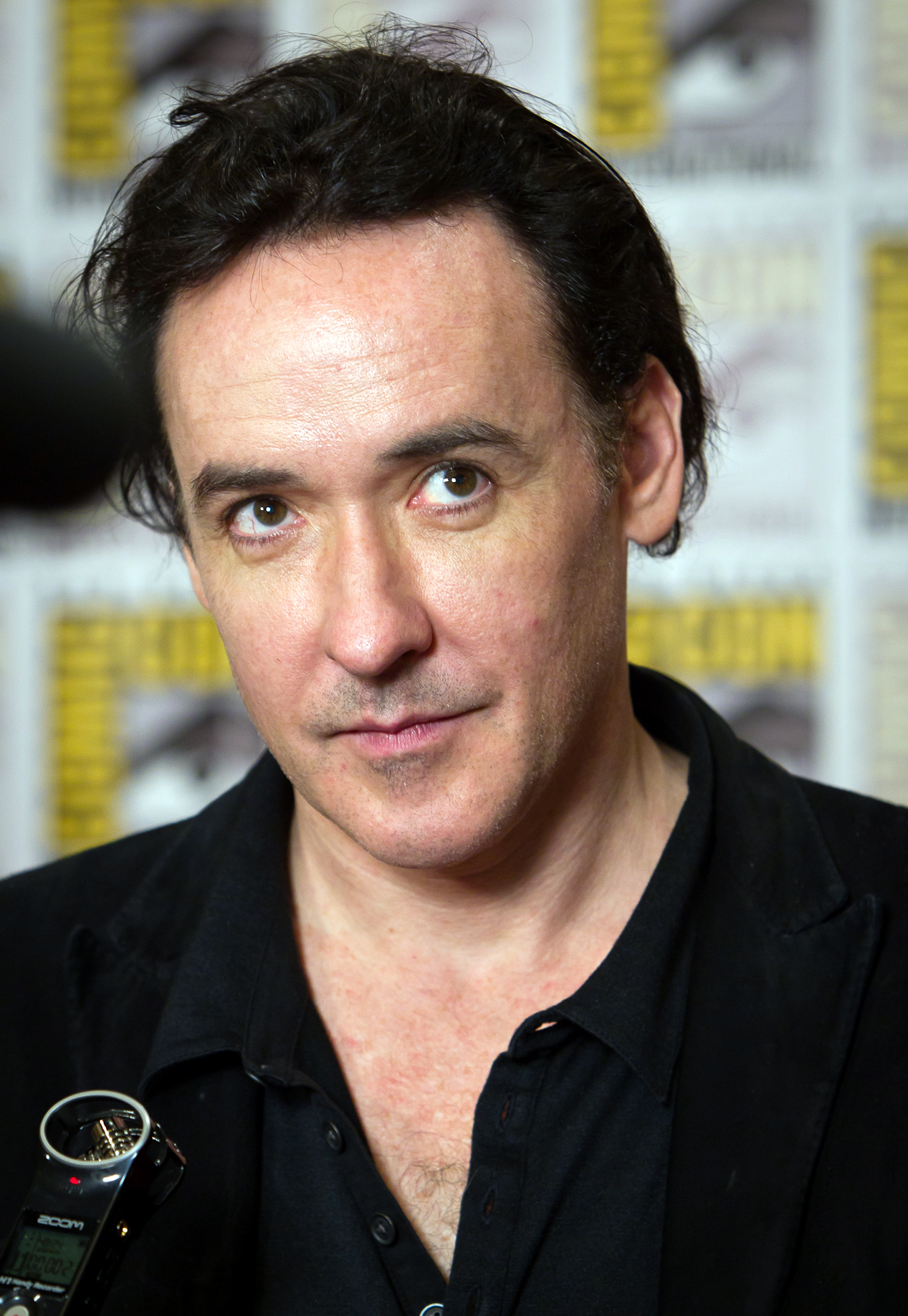
There is a specific kind of exhaustion that sets in when a person with genuine creative instincts spends long enough inside a machine designed to sand those instincts down. John Cusack, 60 — the actor who defined a particular strain of American alienation across films like 'Say Anything,' 'Being John Malkovich,' and 'High Fidelity' — has apparently hit that wall. His response is not a memoir, not a podcast, not a prestige-TV pivot. It is a graphic novel about chasing an alien skull through Richard Nixon's America.
Set in 1972, 'Momo' follows two protagonists — named Johnson and Tina Louise — who team up with a character called Doc on a sci-fi buddy road trip with the structure of a heist. The target: an extraterrestrial head in the possession of the Nixon administration, a relic that also reportedly obsessed the late comedian Jackie Gleason. That last detail is not pure invention. Gleason's alleged fixation with UFO artifacts has circulated in paranormal research circles for decades, and Cusack is threading it directly into the narrative fabric. Mad Cave Studios will publish the book on September 29, 2026, with art by Argentine illustrator Ignacio Noé.
Cusack has been blunt about why this project exists at all. He has described 'Momo' as a deliberate departure from the Hollywood negotiation cycle — a creative act he could control entirely, without the approval loops, the development notes, the studio logic that flattens idiosyncratic work into something safe enough to greenlight. His framing of the book as a "brand-buster" is the tell: this is a man consciously torching the kind of careful career management that keeps actors employable and keeps their work predictable.
The literary touchstones Cusack has cited for the project say everything about where his head is. Don DeLillo, whose novels treat American institutions as systems of organized paranoia, and Hunter S. Thompson, who turned gonzo excess into a method for exposing the rot beneath the republic's surface — these are not the reference points of someone trying to move product. They are the reference points of someone who has been chewing on a particular question about power, absurdity, and the American self-image for a long time and finally found a container for it.
The 1972 setting is doing real work here. Nixon's America is a specific kind of American fever dream — Watergate metastasizing, the Vietnam War grinding on, the counterculture curdling. Placing a government-held alien artifact inside that moment is not random. It plugs directly into the documented history of UFO secrecy: the era of Project Blue Book's official closure in 1969, the period when serious governmental interest in the phenomenon was supposedly wound down even as internal documents — many released decades later — suggested otherwise. Cusack is using the genre as a lens, not an escape.
Ignacio Noé brings a visual sensibility shaped by years of work in international comics, including projects that push into surreal and psychologically uncomfortable territory. The pairing matters. A story this structurally odd — road trip, heist, sci-fi, political satire, and possibly something darker underneath — needs an illustrator who won't domesticate it into something legible and safe. The announcement came at San Diego Comic-Con, which is the correct venue for this kind of project: a space where the audience already understands that the best genre work is almost always about something else.
The broader context for Cusack's exit from the mainstream Hollywood conveyor belt is worth naming plainly. The industry he came up in no longer reliably produces the kind of mid-budget, character-driven, genuinely weird American film that made his career. The economics of the streaming era and the franchise-first studio model have compressed the space where a movie like 'Grosse Pointe Blank' or 'The Ice Harvest' gets made. For a working actor without an IP franchise attached to his name, that compression is not abstract — it is felt in every development meeting, every script pass, every conversation about what the audience "wants."
What Cusack apparently wants is Nixon, aliens, Jackie Gleason, and no notes. On the evidence of what he has described, 'Momo' is either going to be genuinely strange and alive in the way that only work made outside institutional constraints can be, or it is going to be a fascinating mess. Both outcomes are more interesting than whatever he would have made if he had kept negotiating.
Who is covering this (18+ outlets)
- Wonderwall.comJohn Cusack reveals why he pivoted away from Hollywood
- NZCityJohn Cusack wrote a graphic novel because he didn't want to have to "negotiate" his vision
- ObjectivistJohn Cusack Reveals Why He Pulled Back from Hollywood After Decades of Films [WATCH]
- LifeZetteJohn Cusack Explains Why He Pulled Back from Hollywood After Decades in the Industry [WATCH]
- YahooJohn Cusack Says He Doesn't Want to 'Negotiate' His Stories With Hollywood Anymore
- The Courier MailHollywood star reveals why he vanished
- Perez HiltonJohn Cusack Reveals Why He Left Hollywood To Pursue THIS Unexpected Career Endeavor!
- UNILADJohn Cusack details honest reason why he stepped away from Hollywood after decades of blockbuster films
- Page SixJohn Cusack reveals why he stepped back from Hollywood after decades of films
- Mail OnlineJohn Cusack, 60, opens up about his career pivot as he shuns Hollywood
- GEO TVWhy John Cusack is no longer chasing the usual Hollywood path
- ArcaMaxJohn Cusack explains new career motivation
- newKerala.comJohn Cusack on Graphic Novel Debut 'Momo'
- Just JaredJohn Cusack Explains Why He Pivoted Away From Film Career
- Miami HeraldJohn Cusack Explains Why He Pivoted Away From Acting During Rare Appearance
- Us WeeklyJohn Cusack Explains Pivoting Career to Writing Graphic Novels During Rare Appearance at Comic-Con
- EntertainmentNowJohn Cusack Reveals Why He's Moved on From Moviemaking to Graphic Novel Writing
- Far Out MagazineJohn Cusack outlines major career move in rare interview
See what people are saying about this story on X.