
APC Launches Ebonyi LG Campaign With a Blunt Message: Win All 13 Councils
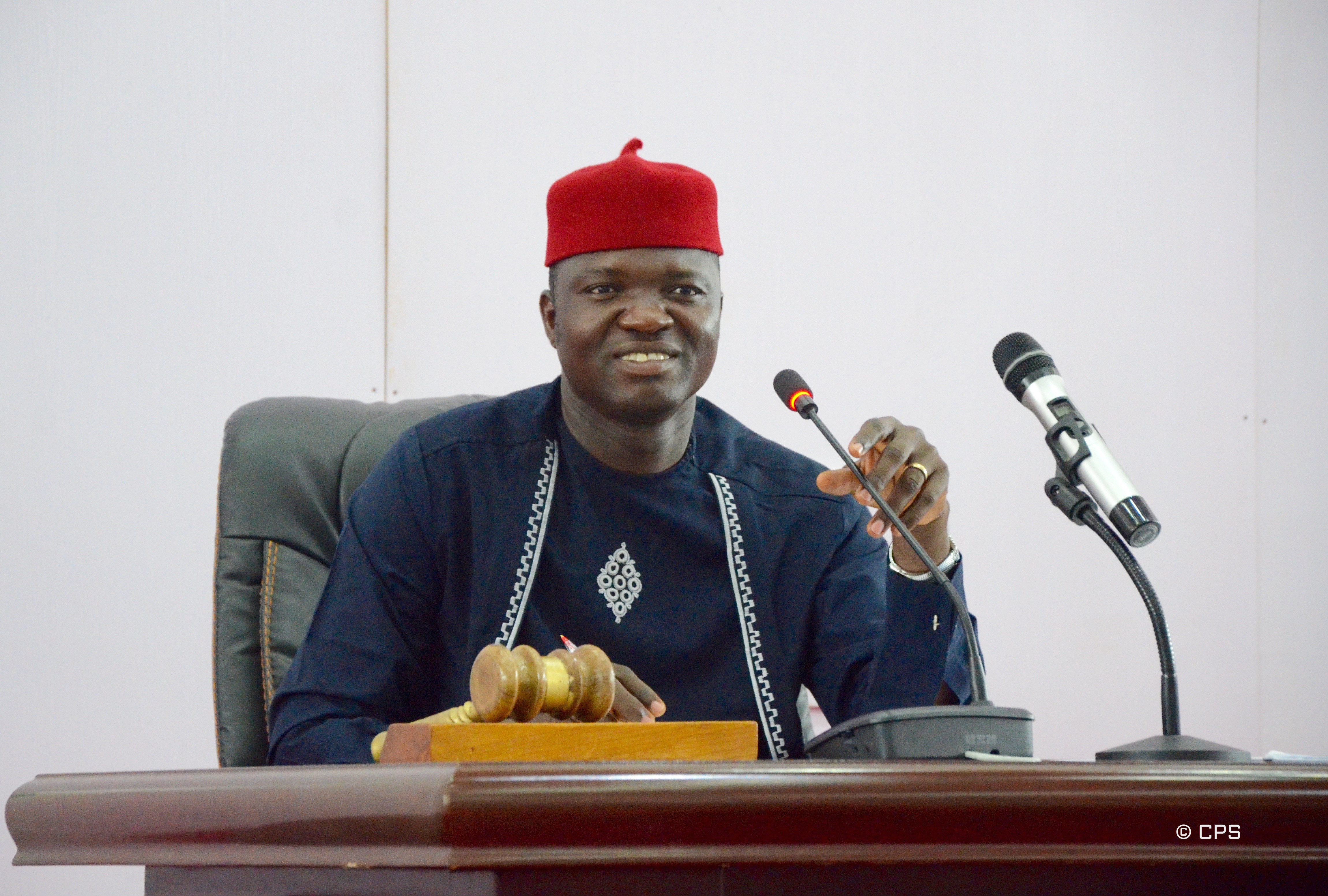
The All Progressives Congress in Ebonyi State kicked off its campaign for the August 22 local government and councillorship elections last week, staging its flag-off in Ikwo Local Government Area — a deliberate choice of venue in a state where political theatre and geographic symbolism move hand in hand. Deputy Governor Patricia Obila stood in for Governor Francis Nwifuru to formally present the party's flag to its council candidates, a ceremony that functions in Nigerian politics as much as a demonstration of gubernatorial blessing as it does an administrative formality.
The public messaging from party leadership was calibrated for the moment: peaceful electioneering, grassroots mobilisation, and — with pointed urgency — the collection of Permanent Voter Cards. That last item is worth sitting with. PVC drives are standard campaign rhetoric, but in a state where the APC has publicly declared it expects to win all thirteen local government areas and all 171 councillorship seats, the emphasis on voter registration reads as both civic instruction and a machine-building exercise. You don't flood your own base with PVC collection appeals unless you intend to make the turnout arithmetic irrelevant to anyone else.
Ebonyi is not a competitive state in any conventional sense right now. Governor Nwifuru, who took office in May 2023 under the APC platform, has consolidated the kind of executive grip over state structures — appointments, budgets, party organs — that makes local government elections in Nigeria's southeast look less like democratic contests and more like intra-party distribution exercises. The Independent National Electoral Commission scheduled this cycle of LG polls, but in practice, state-level electoral commissions conduct local government elections under frameworks that critics have long argued insulate incumbents from genuine challenge.
None of that makes the Ebonyi campaign illegal, and none of it is unique to Ebonyi or to the APC. What it does make the campaign is a revealing window into how power reproduces itself at the sub-federal level in Nigeria. LGA chairmanship isn't a consolation prize — it is the machinery through which federal allocations are distributed, contracts are awarded, and future governorship candidates build or break their grassroots credibility. Winning all thirteen councils doesn't just deliver administrative posts; it locks down the organizational infrastructure for every election cycle through 2027.
The 2027 angle is not subtext — it is text. Party officials, speaking openly in the days around the Ikwo flag-off, framed the LG victories as foundational to the APC's broader strategy to hold Ebonyi and expand influence in the southeast region, a zone where the party has historically operated as an outsider. Nwifuru's tenure, and the LG sweep his party is pursuing, are part of a larger national calculation in which the ruling party at the federal level is actively working to extend structural dominance into states and localities that were, until recently, opposition heartland.
The opposition's position in Ebonyi is, charitably, fragile. The Peoples Democratic Party, which governed the state from its creation in 1996 until relatively recently, has not mounted a campaign that suggests it views August 22 as winnable territory. Other registered parties are present on paper. What any of them will actually be able to mobilize — in a state where the sitting governor controls the levers of patronage and the party machinery is in open campaign mode — is a question the election results will answer, but the pre-campaign indicators are not encouraging for competitive pluralism.
It is also worth noting the governance gap that these elections are supposed to address. Nigerian local governments have for years functioned as the most dysfunctional tier of a three-tier federal system — starved of autonomy, subjected to state-level joint account arrangements that critics argue hollow out the constitutional intent of local self-governance, and often run by caretaker committees rather than elected officials pending perpetually delayed elections. A fresh LG election cycle in Ebonyi, whatever its competitive limitations, at least nominally restores the form of elected local representation. Whether it restores the substance is a separate, harder question.
For the residents of Ikwo and the other twelve local government areas going to the polls on August 22, the ground-level stakes are concrete: who controls the local government determines who gets the contracts, who gets the jobs, and whose communities see the roads, clinics, and schools that LGA allocations are meant to fund. The campaign has been formally opened. Whether it functions as a contest or a confirmation ceremony will be visible in three weeks.
Who is covering this (11+ outlets)
- The Sun Nigeriac: Ebonyi APC rallies support for candidates
- Th Eagle OnlineLG Poll: APC sure of winning 13 Ebonyi councils, 171 councillorship seats
- Daily TrustEbonyi LG poll holds August 22, parties begin campaign
- VanguardEbonyi LG Poll: APC begins campaign, urges peaceful mobilisation
- NigerianeyeAPC kicks Off Local Govt Election Campaign in Ebonyi
- P.M. NewsAPC flags off Ebonyi LG campaign
- Peoples Gazette NigeriaAPC begins LGA polls campaign in Ebonyi
- Realnews MagazineAPC begins LGA polls campaign in Ebonyi
- Headlines NigeriaLG poll: Ebonyi APC begins campaign
- Daily Post NigeriaAPC kicks off campaign ahead of August 22 Ebonyi LG elections
- Businessday NGInside APC's game plan to retain power in 2027
See what people are saying about this story on X.