
Stefon Diggs Came Home. The NFL's Hometown Myth Is More Complicated Than That.
Nick Cross grew up in Bowie, Maryland. He played Friday-night football at DeMatha Catholic in Hyattsville. He ran routes at the University of Maryland. When the Washington Commanders called with a safety contract this spring, the story wrote itself — local kid comes home, circle completed, heartstrings duly pulled. Except Cross has been careful to say it isn't quite that simple. And he's right. The hometown narrative is one of the most durable and most misleading frames in professional sports.
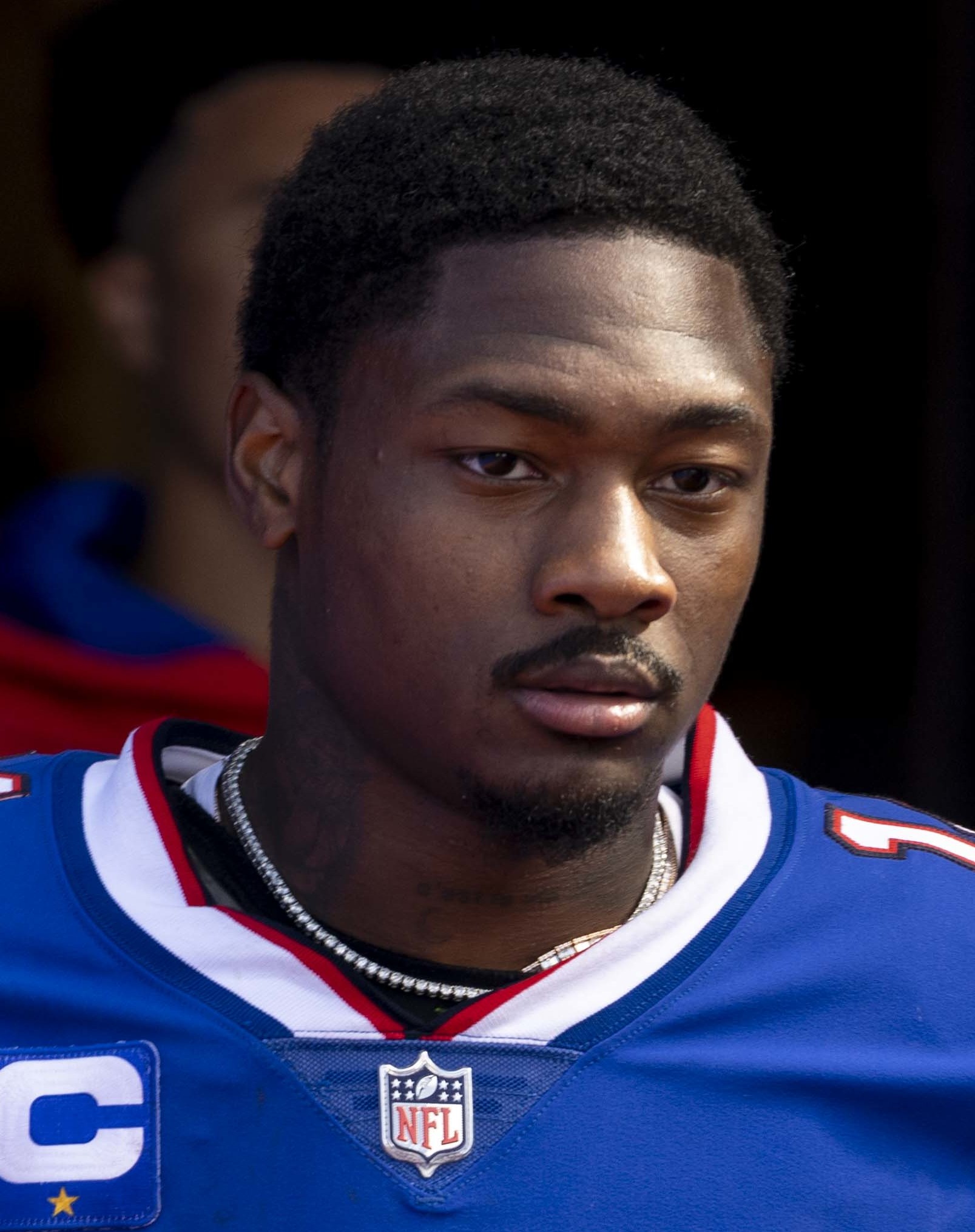
The Stefon Diggs signing lands in exactly that frame, and it's worth pulling apart. Diggs grew up in Gaithersburg, Maryland, a suburb that sits about twenty miles northwest of the Commanders' facility in Ashburn, Virginia. He watched this franchise from the cheap seats. He is, by any reasonable definition, a Washington-area kid. So when he turned down reported offers from the Kansas City Chiefs, the Miami Dolphins, and the Las Vegas Raiders — a reported one-year, $12 million deal with the Commanders waiting on the other end — the narrative machine went into full rotation. Destiny. Full circle. Coming home.
What that framing conveniently omits is the football calculus. Diggs is 31 years old. He missed almost all of the 2024 season after tearing his ACL while playing for the New England Patriots. He is coming off a serious injury at an age when the league's tolerance for serious injuries contracts fast. The Chiefs, the Dolphins, the Raiders — each of those organizations has its own offensive infrastructure, its own quarterback situation, its own depth chart reality. Diggs did not choose Washington purely because of geography. He chose Washington because Washington had the most attractive convergence of role, money, situation, and yes, probably some genuine pull toward home. That combination matters. The sentiment alone does not explain the decision.
The quarterback variable cannot be overstated. Jayden Daniels finished his rookie season as one of the most efficient and electric offensive players in the league. He is 24 years old, ascending, and in possession of the kind of arm talent and decision-making that makes veteran receivers sign one-year prove-it deals with quiet confidence rather than quiet desperation. Diggs himself has called Daniels a superstar. That is not a courtesy quote. Wide receivers live and die by their quarterback, and a receiver still chasing a Super Bowl ring at 31, rehabbing an ACL, does not take a discount-window deal somewhere sentimental unless he genuinely believes the quarterback gives him a shot.
The Commanders' receiver room adds another layer. Terry McLaurin has spent his career as Washington's undisputed top target, often without a credible second option to prevent defenses from doubling him into irrelevance. Diggs changes that equation materially. Diggs has noted as much himself — the idea that it becomes structurally difficult for any defense to double any single receiver in this offense is not bravado, it's a coverage geometry argument. Two legitimate outside threats force defensive coordinators into decisions that hurt them either way. McLaurin, now freed from being the single obsession of every opposing safety, should benefit as directly as Diggs does.
But the hometown angle is worth interrogating on its own terms, because the league keeps selling it and players keep complicating it. Cross's hedged answer about Washington was telling: proximity to family and familiarity with a city are genuine quality-of-life factors, but they do not override playing time, contract structure, offensive fit, or championship probability. Players who have taken the sentimental path at the expense of better situations have often regretted it. The ones who arrive home and thrive almost always do so because the team was already good enough to attract them on pure football merit — the geography was a tiebreaker, not the deciding argument.
Diggs, for his part, appears to have landed somewhere the football logic and the personal logic genuinely align. That is relatively rare. It is also not quite the magic the headline writers want it to be. He passed on at least one organization — Kansas City — that has won back-to-back Super Bowls and that quarterbacks considerably more celebrated than Jayden Daniels. That is a meaningful choice that goes well beyond sentiment, and it says something real about how Diggs reads the league's current landscape and his own place in it.
What the 2025 Commanders season will actually reveal is whether this particular homecoming was shrewd or sentimental. The injury history is real. The age is real. A one-year deal is a bet, not a guarantee. If Daniels takes another leap, if the offense becomes what the organization believes it can be, Diggs may look like the canniest move of the offseason — a veteran who read the room, came home on his own terms, and finished the story right. If the ACL recovery stalls, or the offense doesn't cohere, the narrative will quietly restructure itself around the next thing.
The NFL will keep producing hometown stories because they are emotionally true and commercially useful. What Nick Cross understood, and what Diggs almost certainly understood before he signed anything, is that the emotion is real and insufficient at the same time. You come home when home makes sense. The rest is marketing.
Who is covering this (18+ outlets)
- HeavyNFL Expert Calls Stefon Diggs, Jayden Daniels 'Perfect Match' After Commanders Deal
- Owensboro Messenger-InquirerWashington-area native Stefon Diggs returns home to the Commanders in a full-circle moment
- Sports IllustratedStefon Diggs Calls Commanders QB Jayden Daniels a 'Superstar,' Talks MVP Expectations
- Yahoo Sports CanadaWashington-area native Stefon Diggs returns home to the Commanders in a full-circle moment
- ClutchPointsStefon Diggs drops truth bomb after 1st practice with Commanders
- Total Pro SportsStefon Diggs Reportedly Rejected Offers From 3 Other NFL Teams Before Signing With Commanders, Including One Major Contender
- NBC SportsStefon Diggs: It will be hard to double anyone in this offense
- Cassius | born unapologetic | News, Style, CultureStefon Diggs Gets Another Chance & Signs With The Washington Commanders
- Bleacher ReportStefon Diggs Debuts New Jersey Number with Commanders in Video from 1st Practice
- Yahoo SportsCommanders' Stefon Diggs has 'tremendous' fantasy football value
- FOX 5 DCStefon Diggs practices with Commanders for first time at Friday's training camp
- Hollywood UnlockedStefon Diggs Heads Home And Signs Reported 1-Year $12 Million Deal With Washington Commanders; Free Agent Wide Receiver Reportedly Turned Down Chiefs, Dolphins, Raiders
- NewsdayStefon Diggs gives the Commanders a proven receiver behind Terry McLaurin
- The BlastStefon Diggs Returns Home, Signs One-Year Deal With Commanders
- Bradenton HeraldStefon Diggs Turned Down Interest From 3 Other NFL Teams
- AthlonSports.comDolphins Checked In on Stefon Diggs Before He Signed With Washington Commanders
- GMEN HQGiants rumored Stefon Diggs interest could've sparked the NFL's next reality show
- Phin PhanaticDolphins' reported Stefon Diggs interest tells fans everything they need to know
See what people are saying about this story on X.