
Swift's Music Pulled from Trump and White House Posts — No Lawsuit Required
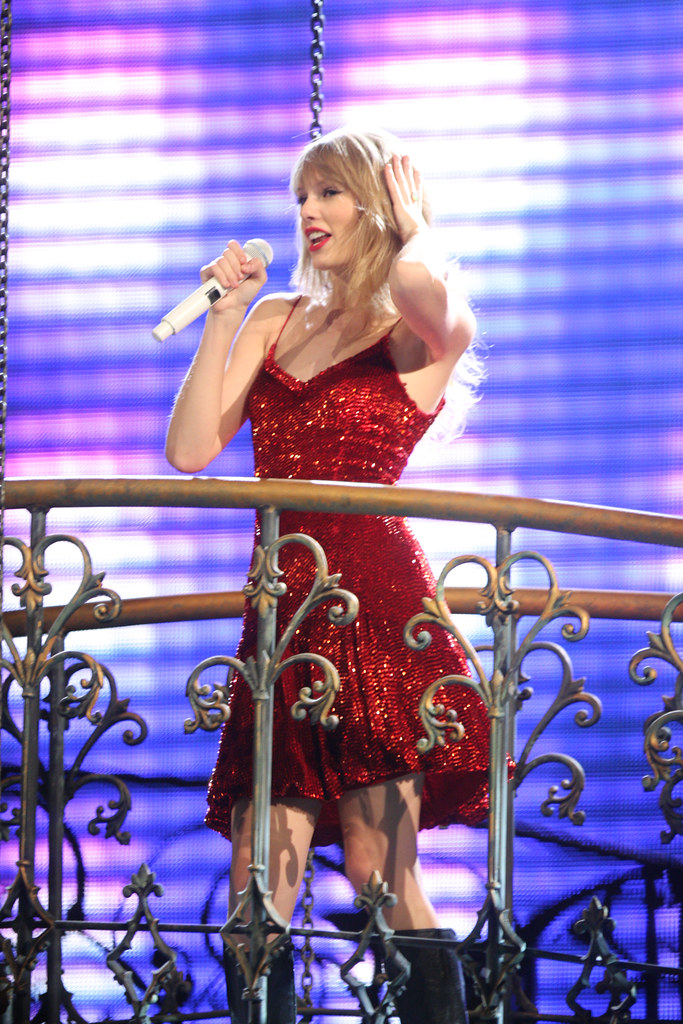
There is a version of this story where a pop star and a president trade statements through publicists while cable news fills airtime with reaction clips. That version didn't happen. Instead, Taylor Swift's music simply disappeared — from a White House TikTok, from Team Trump's campaign archive, from the digital infrastructure of the most powerful office on earth — and she said nothing publicly at all. The silence was the statement.
The most visible casualty was a TikTok posted by the official White House account six days before it went quiet. The video showed President Donald Trump and first lady Melania Trump with Swift's "August" playing underneath, captioned "mood because it's August and Donald Trump is your president." The song is now gone. The caption remains. What's left is an awkward, soundless clip that inadvertently documents exactly what happened to it.
A second video, posted by Team Trump in November 2025 and previously set to Swift's "Father Figure" — originally a George Michael song, covered by Swift — has also been stripped of its audio. Two posts, two songs, one outcome. The mechanism almost certainly wasn't a phone call or a cease-and-desist letter personally signed by Swift. It was the same content-matching system that comes for bedroom DJs and wedding videographers: an automated copyright claim through TikTok's rights management infrastructure, which allows rights holders to have infringing audio muted or removed without public fanfare.
Swift is not the first artist to find her catalog turned into unofficial campaign material. Under U.S. copyright law, campaign and government social media posts are not covered by blanket performance licenses — the kind that apply to stadiums or radio stations — meaning political operators who grab commercially released audio for online video are routinely exposed to infringement claims. The distinction matters: a rally venue may license music for live performance, but that license does not extend to the campaign's own edited video content posted to social platforms.
The power asymmetry here is worth naming plainly. Trump controls the most potent institutional megaphone in American politics. Swift controls the rights to her own recordings and, since her ongoing re-recording project, increasingly her masters as well. In this particular arena, the levers run in her favor. No executive order reaches a rights management algorithm. No press secretary can negotiate with an automated content ID flag.
What's notable about Swift's approach — and about Bad Bunny's, and about the expanding roster of artists who have gone this route — is the deliberate refusal to make it a culture-war spectacle. A public statement would generate a news cycle, invite a presidential social media response, and hand both sides' most energized partisans exactly what they want. A quiet copyright claim generates a muted video and a faint digital record of what used to be there. One feeds the machine. The other starves it.
The White House has not offered a public explanation for the audio removal. Team Trump has not commented. Neither has Swift's team, at least not on the record. What the public has is the artifact itself: a post whose caption still advertises a vibe that no longer has a soundtrack.
This is not a trivial footnote in a celebrity feud file. The question of who controls the cultural texture of official government communications — what music plays under images of the president and first lady, what associations are being built without the artist's consent — sits at the intersection of copyright law, political messaging, and the basic question of whether public figures get to co-opt someone else's identity and work for their own purposes simply because they have a large platform. The answer, in this case, came through a content management system. Quietly. Completely. And without anyone in the White House apparently having a thing to say about it.
Who is covering this (18+ outlets)
- MandatoryDonald Trump & Taylor Swift Comparison Highlights Very Strange Similarity
- Showbiz Cheat SheetTaylor Swift Removes Music From Trump's TikTok: Here's Why People Still Aren't Happy
- PitchforkTaylor Swift: Speak Now
- AZfamily.comTaylor Swift's music has been removed from all White House social media accounts
- zivvynews.comTaylor Swift's Music Vanishes from Trump Accounts. Then "I love Trump" Plays
- International Business Times UKTaylor Swift Is Not Alone: 8 Artists Who Banned Donald Trump From Using Their Music
- VultureTaylor Swift Removes Her Songs from Trump's TikTok
- Attack of the FanboyWhite House and Trump campaign team remove Taylor Swift music from social media posts
- Rolling StoneTaylor Swift and Bad Bunny Dealt With Trump Quietly. It's a Smart Move
- CNN InternationalTaylor Swift's music quietly removed from social media posts from Trump campaign, White House accounts
- Straight Arrow NewsLook what you made her do? Unverified Taylor Swift TikTok claim goes viral
- Atlanta Black StarTaylor Swift Drops the Ultimate Quiet Revenge on Trump -- He's Going to Explode When He Finds Out
- KBAKTaylor Swift songs vanish from Trump, White House posts as removal questions linger
- GG2Trump And Taylor Swift Feud Resurfaces Over 'August' TikTok
- The News InternationalTaylor Swift songs removed from White House posts
- indy100.comTaylor Swift songs removed from Donald Trump campaign social media accounts
- The HillWhite House, Trump campaign remove Taylor Swift songs from posts
- Washington TimesTaylor Swift requests songs be removed from White House social media posts
See what people are saying about this story on X.