
Angie Nixon Beat a $16M Machine With Clipboards and Canvassers
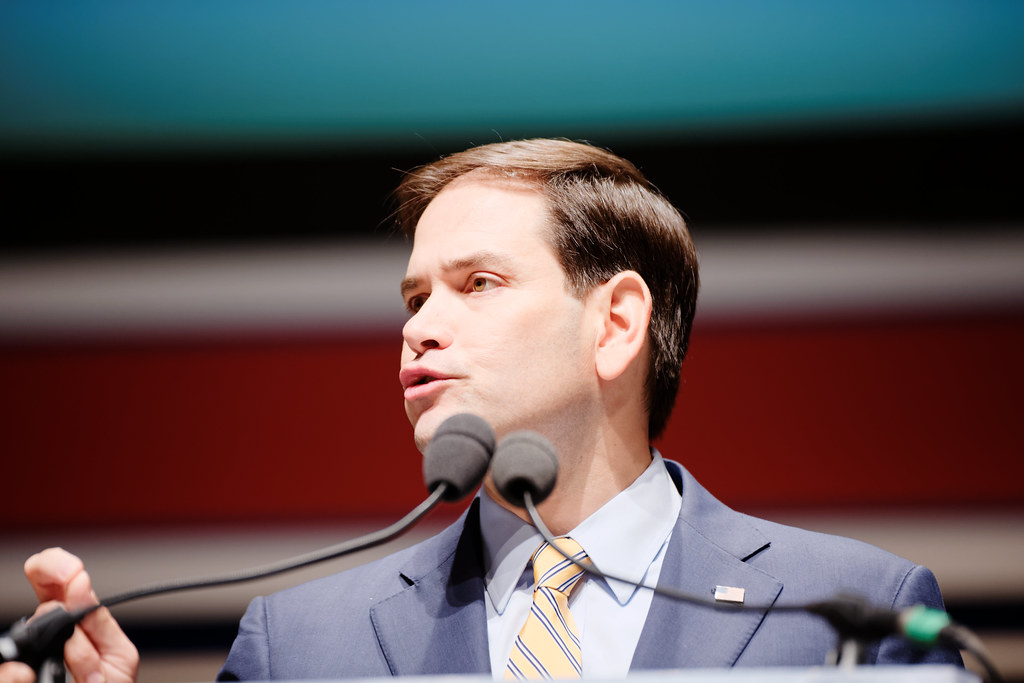
In a union hall in suburban Broward County four days before the primary, Angie Nixon's campaign looked exactly like what it was: outgunned, outspent, and absolutely certain of itself. A small crew of volunteers worked phones and mapped canvassing routes. There was no paid media blitz humming in the background, no glossy direct-mail operation. There was organizing — the kind that moves precincts one door at a time, the kind Florida's Democratic establishment has spent a generation treating as a quaint relic.
On Tuesday night, that quaint relic beat Alex Vindman by a margin that will take the party's consultant class a while to fully absorb. Vindman, the retired Army lieutenant colonel who became a liberal media fixture after his 2019 impeachment testimony against Donald Trump, had raised roughly $16 million — a staggering sum for a Democratic primary in a state the party already treats as a lost cause. Nixon had a fraction of that. She won anyway.
What Nixon built was not an accident and not a fluke. She has represented a Jacksonville-area state House district since 2018 as an open democratic socialist and a member of the Democratic Socialists of America. Her political identity has never been fuzzy. She does not triangulate. Her platform centers Medicare for All, robust labor protections, and taxing wealth at the top — positions the mainstream of her own party has spent years carefully avoiding in swing-state politics. She did not soften them for this race.
The Vindman camp and its donors appear to have badly misread what Florida Democrats actually want from a Senate candidate. Vindman's pitch was essentially electability-by-celebrity — a national profile, a heroic origin story, and the implicit argument that a recognizable face could make a dent in a state that went to Donald Trump by three points in 2020 and by thirteen in 2024. Democratic primary voters, at least in this race, rejected that logic with notable clarity.
Nixon's organizing infrastructure drew heavily from labor unions, progressive grassroots networks, and community groups that have spent years building in South Florida and along the I-4 corridor. The DSA's Florida apparatus, which helped get Nixon elected to the state House twice, treated this race as a serious structural investment rather than a protest gesture. That distinction matters. Protest campaigns fade in the final stretch. Organized campaigns knock on the door twice.
On the Republican side, the primary produced no drama: sitting U.S. Senator Ashley Moody, who holds the seat vacated when Marco Rubio became Secretary of State, won the GOP nomination and will face Nixon in November. Moody carries Trump's endorsement and operates comfortably inside the national Republican political apparatus. She is not a vulnerable incumbent. Florida has not elected a Democrat to the U.S. Senate since Bill Nelson in 2018, and Nelson lost his reelection bid that same year. The general election math is brutal.
But Nixon's candidacy reframes the race in ways that the conventional wisdom struggles to price. The question of whether a democratic socialist can win statewide in Florida is genuinely open — not because the polling says so, but because nobody has run that experiment at this level with this level of organizational seriousness. The standard playbook has been tried and keeps losing. Nixon is running a different one.
What the establishment press will likely emphasize is the November deficit — the uphill climb, the red state arithmetic, the way this race fits a familiar story of progressive overreach. What that framing skips is the organizing model itself, which is the actual story. Win or lose in November, Nixon just proved that a disciplined ground operation funded by small donors and union infrastructure can topple a $16 million candidate backed by the full weight of mainstream Democratic party credibility. That is not nothing. In a party still searching for a coherent identity outside of opposition to Trump, it is in fact something worth watching very carefully.
Who is covering this (18+ outlets)
- NewsMaxAn Unexpected Win for Socialist Dems in Florida Senate Primary
- KOSUTakeaways from Tuesday's primaries in Florida, Alaska and Wyoming
- TwitchyVindman-Slayer Angie Nixon Will NOT Answer Questions About How Her Socialist Utopia Would Be Funded
- One America News NetworkTrump-backed Sen. Ashley Moody wins GOP nomination in Fla. Senate primary for Rubio's vacated seat
- Court House News ServiceDemocratic socialist faces uphill battle against MAGA Republican in Florida Senate race
- YahooDemocratic socialist notches surprise win in Florida Senate primary: 5 takeaways
- RedstateAlex Vindman's $16 Million Loss to a Socialist Was Bad, but David Jolly's Reaction Is Priceless
- LifeZetteFar-Left Nixon Stuns Vindman in Brutal Florida Senate Primary Race [WATCH]
- ObjectivistFar-Left Angie Nixon Stuns Alex Vindman in Brutal Florida Senate Primary Upset [WATCH]
- Fox News5 takeaways from Florida Senate primary: GOP Sen Ashley Moody will face DSA's Nixon
- Cuba Headlines Digital EditionFlorida Senate Race: Two Women Compete for Marco Rubio's Vacant Seat
- The American ConservativeVindman Loses in FL Democratic Senate Primary Upset
- Watermark Out NewsNixon advances to face Moody in U.S. Senate race with decisive win over Vindman - Watermark Out News
- NJ.comTrump stunningly cheers on democratic socialist in revenge attack
- ReasonDSA goes for Florida
- CBS NewsDemocratic socialist candidate Angie Nixon says "it's not about labels" after Florida Senate primary victory
- The New York TimesAngie Nixon Notches Another Win for the Left Through Old-Fashioned Organizing
- The Horn NewsTrump impeachment mastermind suffers HUMILIATING defeat - The...
See what people are saying about this story on X.