
Delhi CNG Station Blast Kills Three Workers — A Leak Was Reported Days Before
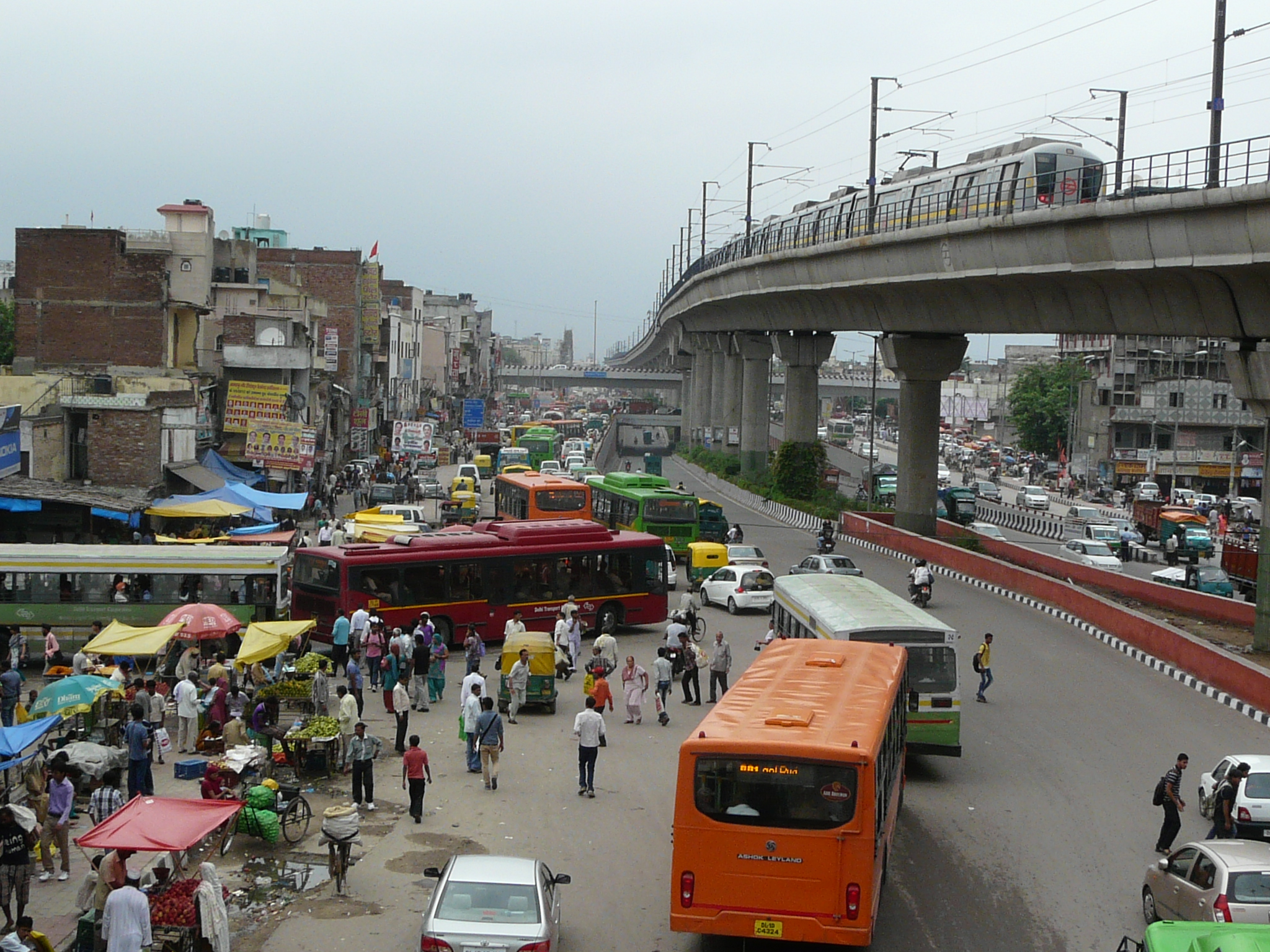
Three workers are dead and at least three others are in critical condition after a catastrophic CNG cylinder explosion ripped through a fuel filling station near Tikri Kalan Metro Station in West Delhi. The blast occurred while a truck was actively being refuelled — a routine operation that turned fatal when something in a system that had already shown signs of failure finally gave way.
What makes this more than a tragedy of circumstance is the detail that is hardest to move past: a complaint about a pipeline leak at the station had been submitted days before the explosion. The complaint existed. It was on record. The station continued operating. The workers showed up for their shift.
The Delhi Fire Service responded to the scene along with police and emergency medical teams. The force of the blast was severe enough to cause structural damage in the immediate area and to scatter debris across the station forecourt. First responders worked to extract the injured from the wreckage before transporting them to hospital, where several remain in serious condition.
Compressed natural gas systems operate under extreme pressure — typically around 200 bar during vehicle storage, and the filling process itself involves transferring gas at high velocity from ground storage into a vehicle tank. Any breach in that system, whether from a failing connector, a compromised hose coupling, or a degraded pipeline, creates conditions for a catastrophic release. When ignition occurs, the result is not a fire that builds — it is an instantaneous detonation.
The workers killed were station staff, not the truck driver. That detail matters: these were people employed to operate the infrastructure, trained to follow safety protocols, whose deaths may have been preventable had the complaint about the leak been acted upon. Their names have not been officially released at the time of writing, but accounts from those who knew them have surfaced — one described not knowing how he would face his wife and children on returning home that day. He did not return.
Delhi has expanded its CNG infrastructure aggressively over the past two decades as part of a court-mandated clean air push that converted the city's bus fleet and then cascaded outward to auto-rickshaws, taxis, and private vehicles. That policy achieved measurable air quality gains. It also created a vast network of high-pressure fuelling infrastructure distributed across a dense, high-traffic urban environment — infrastructure whose maintenance standards and inspection regimes are now very much the question on the table.
The Petroleum and Explosives Safety Organisation, the statutory body that governs the licensing and inspection of CNG stations in India, has not issued a public statement on the Tikri Kalan incident at the time of publication. Whether the station's last inspection was current, whether the reported leak complaint was formally logged and to whom, and whether any enforcement action was initiated before the explosion are all questions that the investigation will need to answer — publicly, not administratively buried.
What is confirmed: three people are dead, several more are fighting for their lives, and a warning sign existed before the explosion. What is not yet confirmed is who received that warning, what was done with it, and whether the regulatory chain that is supposed to sit between a filed complaint and a fatal outcome functioned at all. The answers will determine whether this was an accident or something the city had fair warning to prevent.
Who is covering this (18+ outlets)
- The PioneerThree killed in Delhi CNG pump blast
- The Times of India'Pipeline leak complaint made days ago': CNG station blast during truck refuelling kills 3 in Delhi
- The TelegraphTruck cylinder explosion kills three, leaves three critically injured at Delhi pump
- The Tribune3 killed, 3 hurt as truck cylinder explodes at CNG filling station - The Tribune
- The Indian Express'How to tell wife, kids': 3 CNG station staffers killed as truck tank explodes
- The HinduCNG cylinder blast at filling station near Tikri Metro kills three
- Rediff.com India Ltd.3 killed as tuck's cylinder explodes while refuelling at Delhi CNG station
- News24Delhi CNG station blast reason: 3 workers killed after truck gas tank explodes during refilling; what caused deadly explosion ?
- Asianet News Network Pvt LtdDelhi: 3 killed, 3 injured in CNG cylinder blast near Tikri Metro
- The WeekDelhi CNG pump tragedy: At least 3 dead after truck blast near Tikri Kalan Metro Station; several injured
- Economic TimesDelhi: Three dead, 3 injured after truck CNG cylinder explodes at Tikri Kalan filling station
- OneindiaDelhi CNG Station Explosion: 3 Killed, 3 Injured After Truck Gas Cylinder Explodes in Tikri Kalan
- LatestLYIndia News | Delhi: 3 People Killed in CNG Cylinder Blast at Refilling Pump in Tikri Kalan
- cnbctv18.comDelhi CNG blast: Truck cylinder explodes during refilling, 3 killed in Tikri Kalan - CNBC TV18
- Asian News International (ANI)Delhi: 3 people killed in CNG cylinder blast at refilling pump in Tikri Kalan
- News18Delhi CNG blast exposes gaps in cylinder testing, monitoring
- Hindustan Times'No one to take him': Family says Delhi CNG pump worker 'lay bleeding' for 30 mins after blast
- United News of IndiaCNG truck explosion in Outer Delhi fuel pump leaves 3 dead, 3 injured
See what people are saying about this story on X.