
The Pilot Who Pulled Schumacher Off That Mountain Finally Speaks
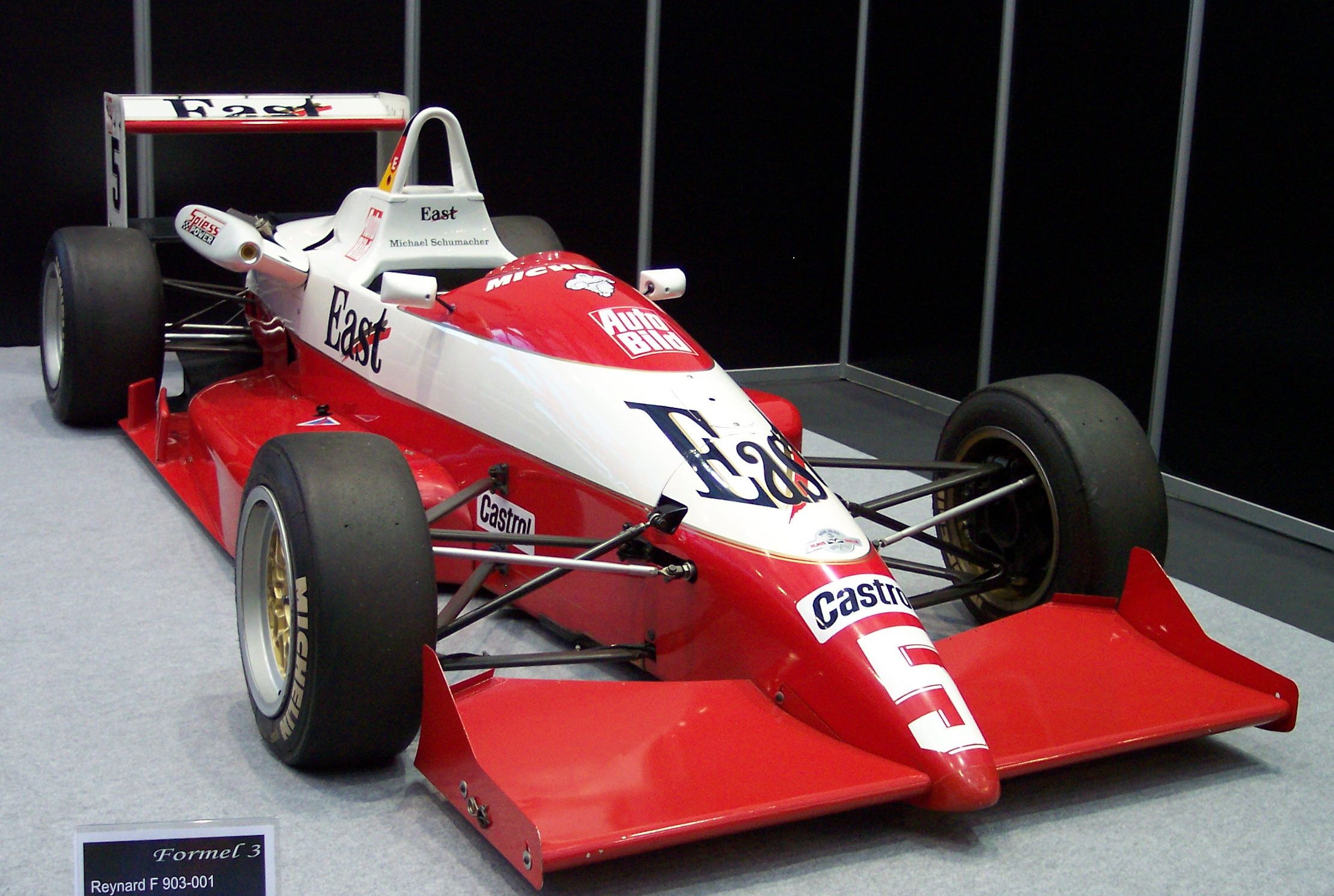
On December 29, 2013, Michael Schumacher — seven-time Formula 1 world champion, a man who had cheated death at 200 mph for two decades on the world's most dangerous circuits — fell on a ski slope at Méribel in the French Alps and struck his head on a rock. He was wearing a helmet. It wasn't enough. The injury was catastrophic: a severe traumatic brain trauma that would put him in a medically induced coma for 250 days and, as his family has since acknowledged in rare public statements, change his life entirely.
For more than a decade, the medical and personal details of Schumacher's condition have been kept under extraordinary lockdown. His wife Corinna and a small inner circle have managed access with a precision that would impress any intelligence service. No verified photographs since the accident. No press interviews. No medical bulletins beyond the sparest of updates. His manager Sabine Kehm has repeatedly deflected inquiries with the same formula: the family asks that his privacy be respected. That wall has held — mostly.
Now the rescue helicopter pilot who airlifted Schumacher from the Méribel slope that morning has spoken publicly for the first time, more than twelve years after the event. His account, offered after years of deliberate silence, is the closest thing to a primary eyewitness testimony the public has ever received about the immediate aftermath of the crash. He described what he encountered at the scene as shocking — a word he used with the full weight of someone who, by profession, responds to the worst emergencies the mountains produce and is not given to dramatic language.
The pilot has not released a full medical account and is not in a position to — patient confidentiality and professional ethics constrain what any rescue operative can say about a specific individual. But the emotional register of his testimony matters. Rescue helicopter crews in the French Alps are among the most experienced mountain emergency responders in the world. They see polytrauma, altitude accidents, and fatalities with regularity. When one of them describes a scene as something that shocked him, it is not theatre.
What is confirmed from the public record: Schumacher was found unconscious off-piste, in an area beyond the marked runs where he had been skiing with his son Mick, who was fifteen at the time. He was airlifted to Grenoble University Hospital, where he underwent two brain surgeries. The medically induced coma lasted from December 29, 2013 until June 16, 2014, when doctors announced he had been brought out of it. He was then transferred to a rehabilitation facility in Lausanne, Switzerland, before eventually returning to his home on Lake Geneva. His brother Ralf has in recent months made a brief and plainly heartfelt public acknowledgment of the situation — six words that, by the restraint they were delivered with, said more than a prepared statement.
The sustained media silence around Schumacher's current condition is, depending on your vantage point, either a model of dignified privacy or a case study in how wealth and legal resources can construct an almost impenetrable information barrier around a public figure. His family has pursued legal action against outlets that published alleged photographs or claimed inside information about his health. That is their right. It has also meant that the global audience that watched Schumacher win 91 Grand Prix races — a record that stood for decades — has been left with almost nothing factual to hold onto since the morning of the accident.
The rescue pilot's decision to speak now, a dozen years on, raises its own questions. Why now? Personal conscience, presumably — a need to mark what he witnessed and perhaps to correct the drift of speculation that has filled the void. His account does not resolve the central mystery of Schumacher's current state. It does restore a human dimension to a story that the machinery of celebrity privacy management has necessarily flattened into a series of legal statements and managed silences.
What is unknown — and should be stated plainly — is the current state of Michael Schumacher's health, cognition, and daily life. His family says he is being cared for. Beyond that, nothing has been confirmed. The pilot's testimony is a fragment from the first hour of a twelve-year story whose middle and present chapters remain, by design, entirely closed to public view. In a media environment that mistakes noise for information, that gap is worth naming honestly: we do not know. And after twelve years, the fact that we still do not know is itself a story.
Who is covering this (17+ outlets)
- GiveMeSport'I'm the Helicopter Pilot Who Saved Michael Schumacher - What I Saw Shocked Me'
- nine.com.au'Shocked me': Pilot breaks silence on Schumacher rescue
- Fox Sports'What I saw shocked me': Helicopter pilot spills on Michael Schumacher rescue
- News.com.au'What I saw shocked me': Huge Michael Schumacher update as rescue pilot spills beans
- 7NEWS.com.auRescue pilot breaks silence on traumatic Michael Schumacher accident
- EXPRESSMichael Schumacher's brother makes heartbreaking six-word comment about F1 icon
- Mail OnlinePilot who rescued Schumacher ski crash scene speaks out
- HITCHelicopter pilot's account of Michael Schumacher rescue shows what mattered most
- LADbibleHelicopter pilot who rescued Michael Schumacher he speaks out for first time about what happened
- The Times of India"I thought it was a joke": Michael Schumacher rescue pilot breaks 12-year silence, reveals haunting accident scene details he can never forget
- MirrorHelicopter pilot who saved Schumacher breaks silence 12 years on from ski crash
- WalesOnlineMichael Schumacher's rescuer breaks 12-year silence on horror skiing accident
- Daily StarSchumacher's pilot breaks silence after horror crash - 'what I saw shocked me'
- GB NewsMichael Schumacher helicopter pilot breaks 12-year silence with chilling account of ski crash rescue
- Yahoo!Michael Schumacher's rescuer breaks 12-year silence on horror accident: 'What I saw shocked me'
- HELLO!Michael Schumacher's rescuer breaks 12-year silence on devastating skiing accident: 'What I saw shocked me'
- Hola.comMichael Schumacher's rescuer breaks silence after 12 years: "What I saw shocked me
See what people are saying about this story on X.