
EU Moves to Blacklist 1,600 Russians — Biggest Sanctions Expansion Since 2022
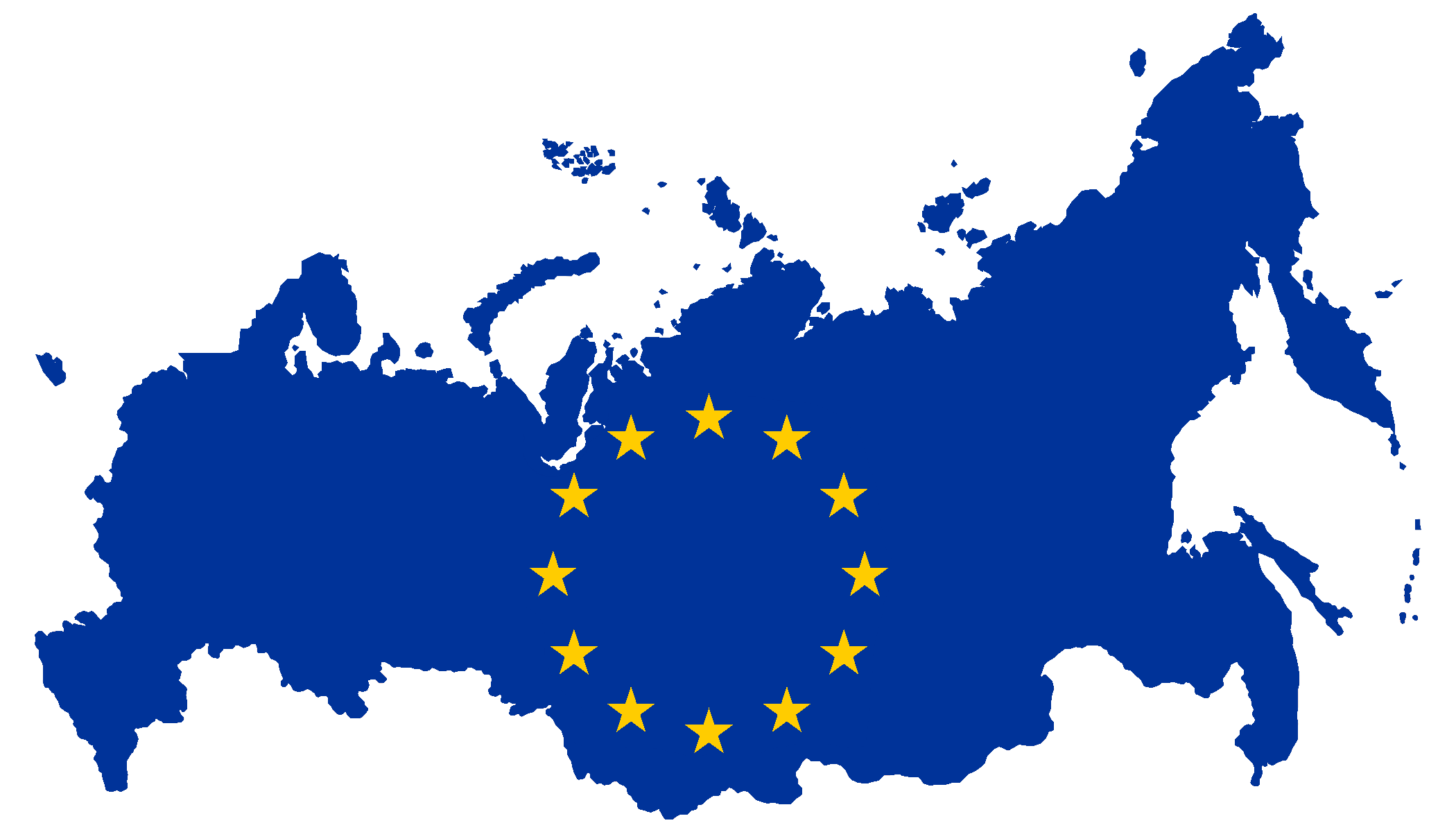
The European External Action Service is finalizing what would be the largest single expansion of Russia sanctions in the three years since Vladimir Putin ordered the full-scale invasion of Ukraine — a package that, according to a source with direct knowledge of the preparations, covers roughly 1,600 individuals and entities. The bulk of those targeted are tied to Russia's military-industrial complex: the factories, procurement networks, component suppliers, and shadow intermediaries that have kept Russian missile and drone production running despite three successive rounds of EU restrictions.
EU foreign policy chief Kaja Kallas confirmed publicly that the bloc intends to table what she called the most far-reaching sanctions proposals against Russia in the coming months, a signal that internal consensus has advanced far enough for a senior official to put her name on it. That matters. Kallas does not float specifics without a political runway already cleared, and the fact that she framed it around the autumn calendar suggests a formal Council submission is on track rather than aspirational.
The 1,600-name figure, if accurate, would dwarf any previous single-package expansion. For context, the EU's existing consolidated Russia sanctions list — built incrementally across fourteen packages since February 2022 — covers several thousand individuals and entities in total. Adding 1,600 in one move would represent a structural shift in how Brussels is approaching the economic war, less a symbolic gesture and more an attempt to map and freeze the full second and third tier of Russia's defense-industrial base.
What the official announcements do not say plainly is why now, and why at this scale. The candid answer lies in the battlefield ledger. Russia has sustained offensive pressure across eastern Ukraine for the better part of eighteen months by burning through stockpiles and dramatically ramping domestic production — artillery shells, Shahed-type drones, Iskander ballistic missiles. Western intelligence assessments shared with EU member states have reportedly concluded that previous sanctions have slowed but not stopped this ramp-up, partly because Russian procurement agents have become highly sophisticated at routing dual-use components through third-country intermediaries in Central Asia, the Gulf, and Southeast Asia.
That routing problem is why the composition of the new list matters as much as its size. Sources indicate a specific focus on entities outside Russia itself — the shell companies, freight forwarders, and re-export hubs that form the capillary system through which sanctioned goods travel. Hitting those nodes is harder diplomatically, since it implicates third-country partners the EU is simultaneously courting on other issues, but it is operationally more consequential than adding more names inside Russia that are already economically isolated from the West.
There is a credibility dimension here that Brussels is acutely aware of. Fourteen packages of EU sanctions over three years have produced a well-documented gap between designation and enforcement. Frozen assets are not always frozen. Prohibited goods still arrive. Several EU member states have been called out in European Parliament hearings for lax implementation, and the EEAS itself has acknowledged that secondary sanctions pressure from Washington — not EU enforcement alone — has done the heavier lifting in some sectors. A package that is the largest ever on paper but enforced at the same historical rate is, from Kyiv's perspective, a bureaucratic milestone rather than a battlefield input.
Kallas and the EEAS team appear to understand this. Alongside the list expansion, the package is expected to include tightened enforcement mechanisms and clearer guidance to member-state competent authorities on how to handle suspected circumvention — an implicit acknowledgment that the design of previous packages left too many operational gaps. Whether that guidance translates into actual prosecutions and asset freezes in Prague, Nicosia, or Budapest is a different question, and one that will define whether the autumn announcement is remembered as a turning point or another press release.
The geopolitical timing is not incidental. With US military and financial support for Ukraine subject to ongoing political turbulence in Washington, European capitals have a direct interest in demonstrating that the continent can carry more of the economic-warfare burden independently. A record-setting sanctions package is one of the most visible ways to do that without requiring a Treaty change or a defense spending battle in national parliaments. It is, in that sense, both a genuine policy instrument and a political signal aimed as much at Washington and Kyiv as at Moscow — a signal that Europe is not stepping back, even as the American commitment remains uncertain.
Who is covering this (18+ outlets)
- news24EU plans most far-reaching sanctions against Russia in coming months, Kallas says
- Arab NewsEU plans most far-reaching sanctions package against Russia in
- The Irish TimesEU plans 'most far-reaching sanctions against Russia in coming months'
- www.theepochtimes.comEU Plans Expansion of Sanctions Against Russia, Says Foreign Chief
- Interfax-UkraineKallas plans to propose most far-reaching sanctions list against Russia this autumn
- Українська правдаEU prepares "largest-ever" sanctions against Russia - details
- UAWireEU plans major expansion of Russia sanctions Kallas says
- The Detroit NewsEU plans most far-reaching sanctions against Russia in coming months, Kallas says
- The Moscow TimesEU Plans Most Far-Reaching Sanctions Against Russia, Kallas Says
- Mehr News AgencyEU's Kallas suggests new 'far-reaching' Russia sanctions
- RubrykaEU prepares largest sanctions package against Russia since start of full-scale war - Kallas
- Narooma NewsEU plans most far-reaching sanctions against Russia
- Jordan News | Latest News from Jordan, MENAEU Intends to Impose Broad Sanctions on Russia - Jordan News | Latest News from Jordan, MENA
- South China Morning PostEU plans most far-reaching sanctions on Russia in coming months
- Cyprus MailEU plans most far-reaching sanctions against Russia in coming months, Kallas says
- EuractivEU suggests new 'far-reaching' Russia sanctions | Euractiv
- Yeni ŞafakEU foreign policy chief plans major expansion of Russia sanctions
- TASSEU's chief diplomat says bloc will unveil 'largest sanctions ever' on Russia in fall
See what people are saying about this story on X.