
A UN Peacekeeper Is Dead in Lebanon. Someone Has to Answer for That.
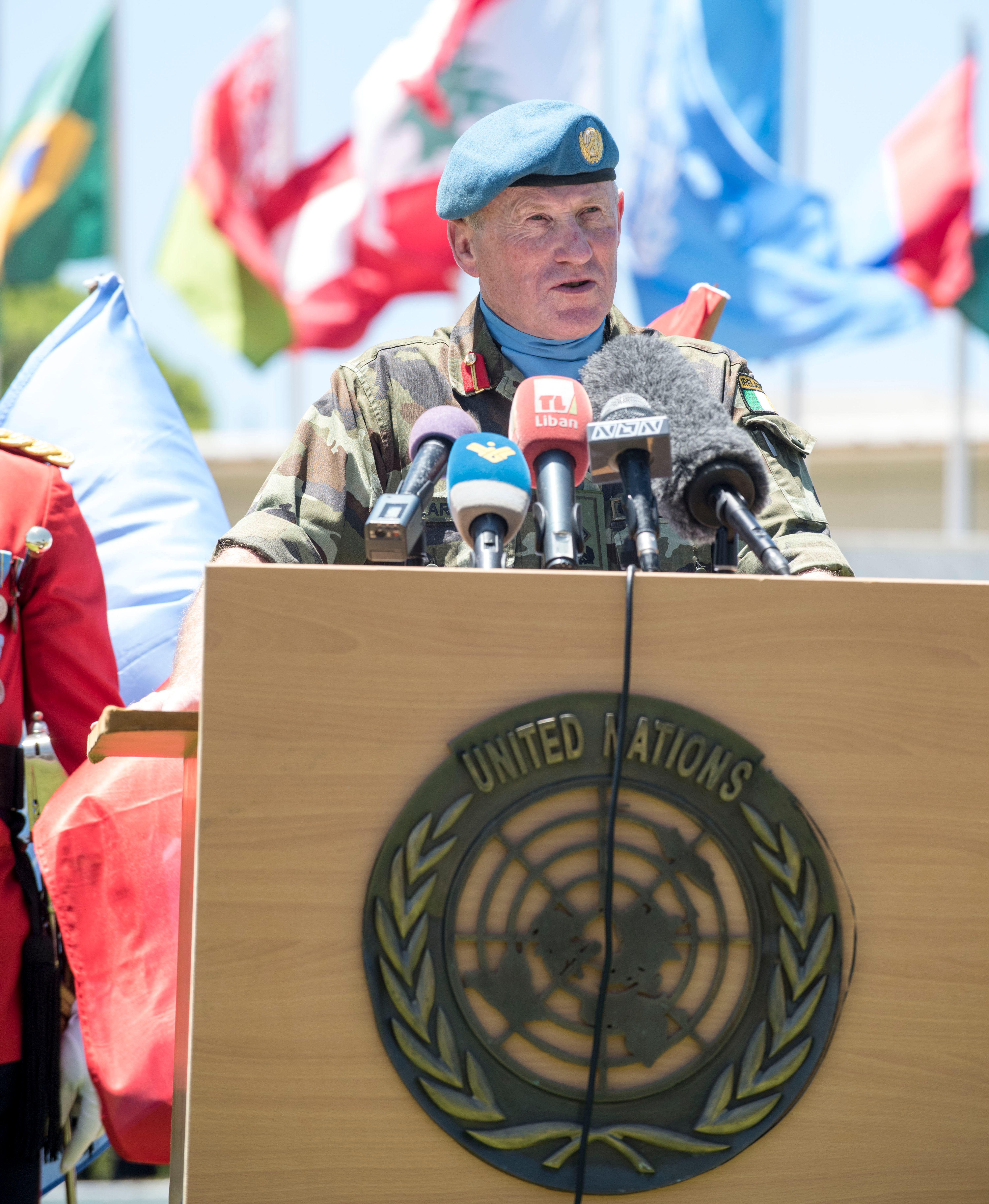
A Serbian soldier serving under the United Nations Interim Force in Lebanon has died of his wounds after mortar shells struck his unit's position near Marjayoun in southeastern Lebanon. Two other peacekeepers — one from Spain, one from El Salvador — were wounded in the same strike. The dead man was not a combatant in anyone's war. He was there under a UN mandate, standing between a ceasefire line and a catastrophe. He is now a casualty of both.
Italian Deputy Premier and Foreign Minister Antonio Tajani issued a statement of condolences to the Serbian government and to the UNIFIL contingent, saying, plainly, that the safety of peacekeeping personnel must be guaranteed. It is a correct thing to say. It is also a thing that has been said before, after previous incidents, without producing any meaningful change in the conditions that make those incidents possible.
UNIFIL — the United Nations Interim Force in Lebanon — has operated in the country's south since 1978, its mandate repeatedly extended as the underlying conflict repeatedly failed to resolve. The force currently numbers roughly ten thousand troops drawn from dozens of contributing nations, deployed along the Blue Line under Security Council Resolution 1701, which ended the 2006 war between Israel and Hezbollah and tasked UNIFIL with monitoring the cessation of hostilities and supporting the Lebanese Armed Forces in establishing security in the area. What the resolution did not provide was an enforcement mechanism with teeth, and that gap has defined the mission's limits ever since.
The attack near Marjayoun did not occur in a vacuum. It comes against the backdrop of a ceasefire agreement that was supposed to have ended the most recent round of fighting across Lebanon, an agreement that the UN Secretary-General has publicly described as fragile. Strikes attributed to Israeli forces have continued across Lebanese territory in the weeks since that deal was announced. Hezbollah has not formally disbanded or withdrawn from the south. The Lebanese Armed Forces, stretched thin and structurally limited, have not been able to fill the security void the ceasefire was designed to create. Into that void, UNIFIL peacekeepers continue to operate — and, periodically, to die.
The question that official condemnation statements consistently avoid is: who fired the mortar? That answer matters enormously, not only for justice toward the soldier who died and the two who were wounded, but for understanding what the mission is actually operating inside. UNIFIL has in the past documented incidents in which its positions have come under fire from multiple directions — incidents that have generated Security Council statements, internal UN investigations, and diplomatic notes that ultimately produced no prosecutions and no structural change. The pattern is worth naming, even when — especially when — the specific attribution in any given attack remains under investigation.
The UN Secretary-General's condemnation, issued promptly after news of the Serbian peacekeeper's death, called for a full investigation and demanded accountability. Those are the correct words. But the UN's own institutional record on translating such demands into actual accountability is poor. Contributing nations send their soldiers into southern Lebanon on the understanding that the UN's political standing offers some protection. Each unanswered attack erodes that understanding and makes the recruitment of future contingents harder to justify to the soldiers and their families.
Serbia, Spain, and El Salvador are not major military powers with the geopolitical leverage to force a reckoning from the parties responsible. Italy, which contributes one of the largest national contingents to UNIFIL and currently holds a command role in the mission, has more leverage — and more responsibility to use it. Tajani's statement of sadness and condemnation is a starting point, not an endpoint. The question Rome will face, as will every other troop-contributing country, is whether this death produces a serious diplomatic push at the Security Council level or becomes another line in a growing list of incidents that the international community has decided, in practice, to absorb.
For now, a Serbian soldier is dead in Lebanon's south. His family has been notified. The flags at a UN position somewhere near Marjayoun are presumably at half-staff. And the conditions that put him in the path of those mortar shells remain exactly as they were before the shells landed.
Primary sources
Who is covering this (18+ outlets)
- Anadolu AjansıSpain condemns attack on UN peacekeepers in Lebanon, urges investigation
- Global IssuesLebanon: Another peacekeeper dies in new attack
- SpaceWarUN chief condemns killing of Serbian peacekeeper in Lebanon
- clickittefaq9 killed in Israeli strikes across Lebanon despite new ceasefire deal
- english.news.cnUN chief condemns killing of UN peacekeeper in Lebanon
- ScoopLebanon: Another Peacekeeper Dies In New Attack
- The Rahnuma DailyIndia condemns killing of UN peacekeeper in Lebanon
- anewsUN chief condemns killing of Serbian peacekeeper in Lebanon
- NaharnetUN chief condemns killing of Serbian peacekeeper in Lebanon
- Middle East MonitorUN peacekeeper killed, 2 others wounded in shelling in southern Lebanon
- newKerala.comIndia Condemns UN Peacekeeper Killing in Lebanon
- UN NewsUN News Today 04 June 2026
- Doha NewsQatar condemns deadly attack on UN peacekeepers as tensions persist in Lebanon - Doha News | Qatar
- en.shafaqna.comGuterres denounces killing of Serbian peacekeeper in Lebanon
- ReutersUN peacekeeper killed, two wounded in shelling in Lebanon
- The Jerusalem PostUN peacekeeper killed, two wounded in Hezbollah shelling in Lebanon
- Global Banking & Finance ReviewUN peacekeeper killed, two wounded in shelling in Lebanon
- Qatar News AgencyUNIFIL Soldier's Death Shows Fragility of Lebanon Ceasefire, Says EU
See what people are saying about this story on X.