
Jorge Messi, the Man Who Built the GOAT, Dies at 68
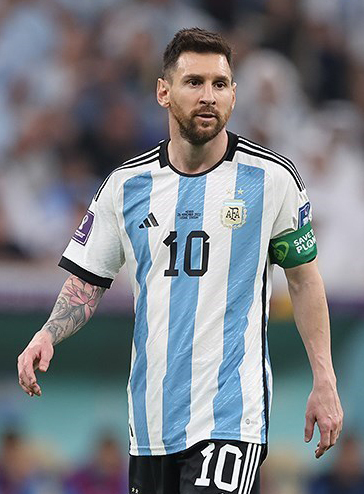
Jorge Messi died at the age of 68, the Argentine Football Association confirmed, closing the chapter on a life that was, in ways the footballing world rarely acknowledges plainly, as consequential to the sport as the man it produced. He was not merely a father who supported a talented child. He was the operative — the one who moved the family from Rosario to Barcelona when Lionel was thirteen, negotiated a contract with FC Barcelona written on a paper napkin, and later became his son's formal agent, steering the most commercially and athletically valuable career in football history from within the family unit.
The end had been visible on the pitch. During the ongoing World Cup, after Lionel scored the first goal of what became a hat-trick against Algeria in a 3-0 victory for Argentina, he looked toward the sky with an expression that stopped the broadcast cold — a grief-soaked gesture that felt less like celebration and less like dedication and more like a conversation. The Messi family issued a statement on June 18, three days after that match, confirming that Jorge was experiencing serious health issues and receiving close medical attention. He did not recover.
Jorge Horacio Messi was born in Rosario, in the province of Santa Fe, and worked as a steel factory supervisor — a detail that matters because the revisionist mythology around Messi's rise tends to sand off the working-class grain of it. There was no football dynasty, no wealthy patron in the early years, just a father who recognized something extraordinary in a small, quiet boy and refused to let a growth hormone deficiency, and the Argentine medical system's indifference to treating it, be the end of the story.
It was Jorge who approached FC Barcelona in 2000, Jorge who relocated his wife Celia and their children to Catalonia, and Jorge who navigated the extraordinary pressure of having a minor child bound to one of the world's largest sports institutions. When the napkin contract story is told — the one about Barça's director Carles Rexach scrawling his commitment on a paper serviette at a restaurant because no formal document was to hand — Jorge is the figure on the other side of the table. He is the one who needed that guarantee to mean something, and for twenty-plus years, it did.
His transition from parent to agent was not without controversy. Player representation is a field dense with conflicts of interest even when the agent is a stranger; when the agent is a father, the lines between love and leverage, protection and control, become impossible to audit from outside. There were years when Lionel's contractual situation — particularly the drawn-out, public, and ultimately failed renewal at Barcelona that ended with his departure to Paris in 2021 — drew scrutiny onto the family's financial arrangements. The Spanish tax authority had already pursued both Lionel and Jorge over income declarations tied to image rights, cases that resulted in negotiated settlements. None of that changes the architecture of what they built together. It only makes it more human.
Newell's Old Boys, the Rosario club where Lionel first played as a child and where Jorge's own roots were planted, lowered their flag in tribute. FC Barcelona, the institution Jorge effectively gave his son to at thirteen and then spent years in complicated negotiation with, issued a formal statement of condolence. So did Real Madrid — the club that spent two decades trying to prize Lionel away from Barça — a gesture that says something about the weight of the occasion, given that the two clubs operate in a state of near-permanent institutional hostility.
Lionel Messi is currently competing at the World Cup, which means the grief is being carried in public, in real time, in front of billions. He has not made a public statement beyond what the family had already communicated. He does not need to. The image from that Algeria match — his face turned upward, the emotion unmistakable — will likely serve as the lasting record of what this moment meant before it was formally confirmed.
Jorge Messi did not play a minute of professional football. He worked a factory floor in Rosario, watched his son closely enough to understand what he was watching, and then spent the rest of his life making sure the world saw it too. In the conversation about who built Lionel Messi, the answer has always been more complicated than genetics or coaches or Barcelona's academy. One man with no particular power and no particular connections looked at a small boy from an industrial city in Argentina and decided the world needed to know about him. He was right. He is survived by Lionel, his brothers Rodrigo and Matías, and a career record that will not be matched in our lifetimes.
Who is covering this (18+ outlets)
- Asianet News Network Pvt LtdJorge Messi Passes Away: Newell's Old Boys Lowers Flag in Tribute to Lionel Messi's Father (WATCH)
- BollywoodShaadisWho Was Jorge Messi? The Man Who Turned Lionel Messi's Football Dream Into Reality Dies At 68
- Asian News International (ANI)AFA, FC Barcelona mourn death of Lionel Messi's father Jorge Messi
- ArcaMaxLionel Messi's dad Jorge Messi dead at 68
- India TodayReal Madrid, Barcelona keep aside rivalry to pay tribute to Lionel Messi's father
- The CanaryDevastating loss for Messi: His father and agent, Jorge, passes away
- GhanaWebBREAKING: Lionel Messi's dad is dead
- Morocco World NewsJorge Messi, Father and Former Agent of Lionel Messi, Dies at 68
- Diaspora Digital Media (DDM News) - Nigeria Breaking News, Africa and World News and Updates -BREAKING: Lionel Messi's Father Jorge Dies at 68 After Prolonged Illness - Diaspora Digital Media (DDM News) - Nigeria Breaking News, Africa and World News and Updates
- myKhel.comHow Jorge Messi played an Integral Role for son Lionel Messi in his Journey - An Agent to A Pillar
- Businessday NGLionel Messi loses father Jorge Messi at 68
- TimesNowEXCLUSIVE: Jorge Messi Dies At 68: 'He Was God To Lionel Messi' | Untold Stories Of The Father Behind The GOAT
- YahooLionel Messi's dad Jorge Messi dead at 68
- CBS SportsJorge Messi, father and agent Lionel Messi dies in Argentina, aged 68 - CBS Sports
- Sahara ReportersLionel Messi Loses Dad Jorge At 68 After Prolonged Illness
- LBCTributes paid to Lionel Messi's father Jorge after death aged 68 | LBC
- i24NEWS EnglishBarcelona, Real Madrid lead soccer world in mourning Messi's father Jorge
- CNC3Jorge Messi, Lionel Messi's father and longtime agent, dies at 68
See what people are saying about this story on X.